How to add a new socket? Complete Guide to Safe Installation
🇹🇼 Looking for the Chinese version of this article?切換至繁體中文版 →

How to add a new socket? Complete Guide to Safe Installation

With the increase in the number of electrical appliances, insufficient sockets in the home may cause inconvenience and even require frequent use of extension cords, increasing safety risks. Adding new sockets can improve the convenience of using electricity, but they must ensure safety and compliance with regulations. This article will introduce the steps, selection suggestions and precautions for adding a new socket to help you create a safe and practical electricity environment.

Why do we need to add new sockets?

  • Increasing demand for electrical appliances: For example, TVs, air conditioners, chargers, etc. require more sockets.
  • Reduce extension cord use: Too many extension cords can cause overloading or a fire risk.
  • Improve home convenience: Add new sockets in kitchens, study rooms and other areas to improve usage efficiency.

Steps to add a new outlet

  1. Assess needs and location
    Determine where to install the outlet, taking into account frequency of use and line loading. Avoid installing sockets by yourself in wet areas (such as bathrooms), as they must comply with waterproofing regulations.
  2. Check the capacity of the switch box
    Confirm the load capacity of the switch box and ensure that the new socket will not cause overload. Have an electrician upgrade the switch box if necessary.
  3. Prepare Tools and Materials
    Prepare screwdrivers, wires, outlet panels, electrical tape, and a multimeter. Choose an outlet that meets the specifications (110V or 220V).
  4. Turn off the power supply
    Before installation, turn off the main power supply to the switch box and use a multimeter to confirm that there is no power in the line.
  5. Wiring and installation
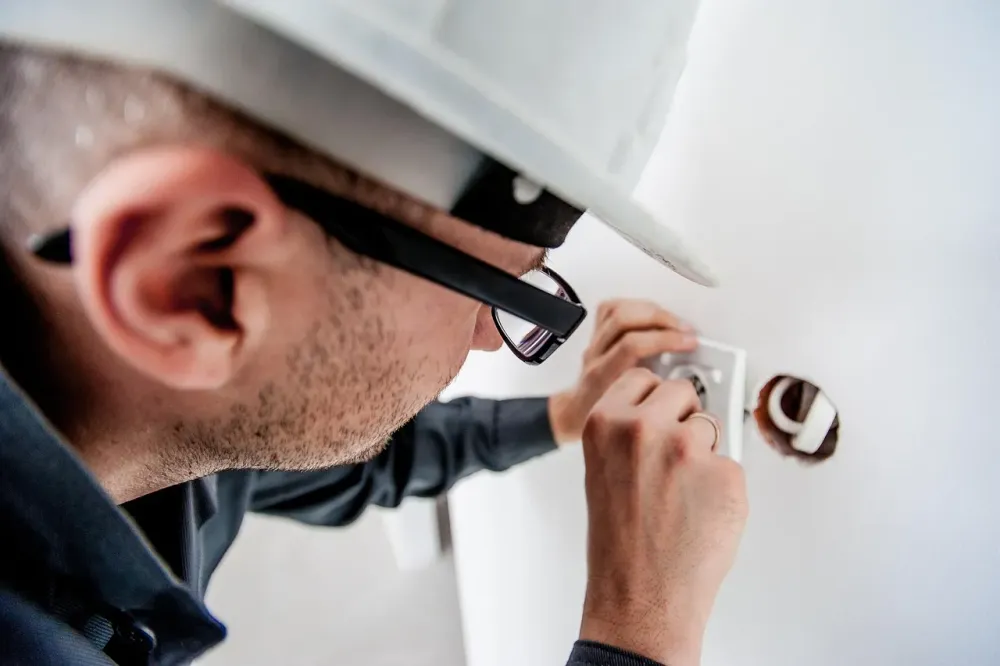
    Lead the wires from the switch box to the socket location, fix the socket panel and connect the live wire, neutral wire and ground wire. Make sure the wiring is secure and covered with electrical tape.
  6. Testing and Acceptance
    After the installation is completed, turn on the power and test whether the socket supplies power normally. If there is any abnormality, turn off the power immediately and check the wiring.
Notes

  • Comply with electrical codes: New sockets must comply with national electrical codes to avoid safety hazards.
  • Avoid handling high-voltage lines yourself: If main lines are involved, they must be handled by a professional electrician.
  • Use high-quality materials: Choose outlets and cords that meet safety certifications to ensure durability.

When to seek professional assistance?

If you are not familiar with electrical engineering or the wiring in your home is complex, it is recommended to contact a professional electrician. Improper installation may result in risk of electric shock, short circuit or fire.

Conclusion

New sockets can greatly improve the convenience of using electricity at home, but safety comes first. With the correct steps and professional assistance, you can create a safe and practical environment for using electricity. Assess your home's needs and start planning your outlet installation today!

New knowledge on air conditioning power consumption and Taiwan climate maintenance regulations in recent years (2025-2026 current situation)

With the high temperatures in summer breaking historical records and the adjustment of electricity price structure in recent years, the latest statistics from the Energy Administration of the Ministry of Economic Affairs show that air-conditioning equipment accounts for more than 47% of residential electricity consumption in summer. Many people mistakenly believe that if the air conditioner is not cold, they only need to "replenish the refrigerant." However, in fact, refrigerant is not naturally consumed during normal operation in a closed circuit. If the refrigerant is insufficient, it means that there are micro leaks in the copper pipes or joints. Simply replenishing the air conditioner will only treat the symptoms but not the root cause. Refrigerant leakage will aggravate the high temperature overload of the compressor and shorten its service life.

According to Taiwan's standard operating specifications for air-conditioning projects, it is recommended that professional technicians with a refrigeration and air-conditioning decoration technician license perform "full machine high-pressure water washing and evaporator deep sterilization" every 1 to 2 years for detached air-conditioning indoor units. Especially in the humid summer in the Shuangbei Basin, the air drum and water collection tray are easy to breed black mold and jelly-like biofilm. This is also the main reason for the sour smell in the air-conditioning outlet and the backflow of the drainage pipe. Regular maintenance can maintain CSPF (Air Conditioning Seasonal Performance Factor) level one energy efficiency level, which can save an average household 15% to 20% of air conditioning electricity bills every year.

Autonomous simple maintenance vs professional maintenance safety red line

  • Homeowners can do by themselves: Remove and clean the nylon filter regularly every 2 to 3 weeks (rinse with clean water and dry in a cool place, do not expose it to the sun to avoid deformation and embrittlement); clean the air outlet blades of the indoor unit with a dry cloth; check whether there is any accumulation of debris within 50 cm around the outdoor unit that hinders heat dissipation.
  • Professional technicians must be entrusted according to regulations: Refrigerant pressure testing and leakage repair welding, high-pressure cleaning of indoor unit air drums and aluminum fins with liquid chemicals, reset of the drainage slope of hidden cold water pipes in the ceiling, and 220V dedicated power circuit configuration and leakage circuit breaker replacement.

🇹🇼 Expat Living Note: Home Repairs in Taiwan

If you are an international resident renting an apartment in Taipei, New Taipei, or anywhere in Taiwan:

  • Voltage & Electrical Safety: Taiwan standard household voltage is 110V (60Hz). Do not plug 220V imported European/UK appliances directly without a certified step-up transformer.
  • Plumbing Terminology: Local plumbers are called 水電 (Shuǐdiàn) and handle both water and electrical repairs.
  • Landlord Obligations: Under Article 429 of Taiwan Civil Code, landlords are legally responsible for repairing natural wear and tear (such as hidden wall pipe leaks, water heater faults, or booster pump failures) unless explicitly waived in your lease.