If your bathroom heater emits loud rumbling or severe vibrations, it is usually due to 離心式多翼風輪 (Sirocco Fan) 表面積聚大量潮濕毛屑水垢引發動態不平衡, or 電機含油滾珠軸承磨損乾涸產生金屬尖銳摩擦. Cleaning the impeller and inspecting the duct early prevents motor burnout and ceiling resonance.
Looking for the Chinese version of this article?切換至繁體中文版 →
Fixing Noisy Bathroom Heaters: Fan Cleaning and Maintenance
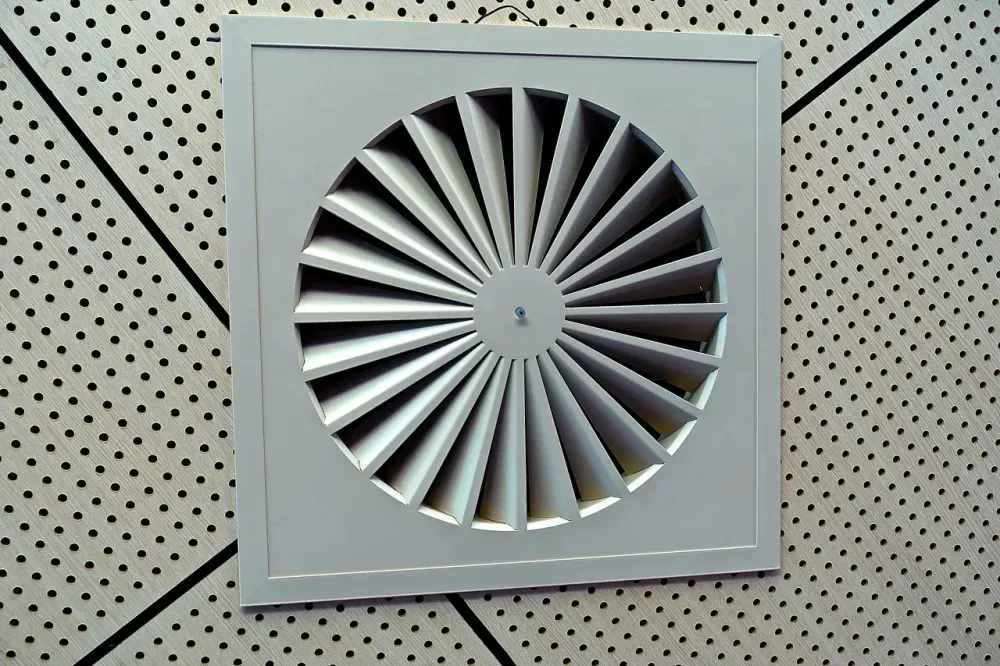
This article is compiled from publicly available online sources for general reference only; readers should independently verify and judge its accuracy, and it is not legal, tax, medical or engineering advice. Rules, fees and subsidies change; check the latest notice from the responsible authority before acting. For electrical, gas, structural or health risks, consult a qualified professional.
This is the English edition of a Chinese article, adapted with AI assistance and checked against the original. Where the two differ, the Chinese version and the official sources it cites prevail.
Warning: Before removing the panel and cleaning the fan, you must switch the dedicated no-fuse breaker (NFB, 無熔絲開關) to OFF at the main distribution box. Do not rely solely on the wall-mounted controller, as internal circuits may remain live or the PTC ceramic heater may retain residual heat.
1. Structure and Airflow Principles of Bathroom Heaters
Bathroom heaters (often called 4-in-1 or 5-in-1 units) typically contain a PTC 陶瓷加熱總成, 雙馬達或單馬達雙葉輪系統, 多翼離心式扇葉, and 排風止逆閥門. During operation, the fan rotates at 1,200 to 1,800 RPM to draw out moisture, venting it through 4-inch or 6-inch aluminum ducts.
Due to the humid environment and airborne lint, dust accumulates on the blades. Uneven buildup causes 動平衡失衡 (Dynamic Imbalance), leading to severe resonance with the ceiling.
2. Identifying Noise Sources: Imbalance, Bearings, and Dampers
- Low-frequency rumbling (increases with speed): Typical of dust-induced imbalance. Lint buildup disrupts the factory-set counterweights.
- Sharp metallic screeching or clicking: Indicates the internal ball bearings (滾珠軸承) have lost lubrication, leading to wear.
- Rhythmic flapping sounds: Usually caused by wind entering the duct if the gravity or spring-loaded backdraft damper lacks a wind cap.
- High-frequency whistling: Caused by crushed aluminum ducts, bends smaller than 90 degrees, or insufficient ceiling vent diameter.
3. Five Steps for Panel Removal and Deep Cleaning
- Cut power and verify: After turning off the NFB, ensure the controller is unresponsive.
- Remove filter and panel: Pull out the filter, unscrew the panel, and disconnect the wiring harness.
- Remove the air guide: Unscrew the vortex housing to expose the cylindrical fan.
- Remove the fan nut: Use 8mm or 10mm socket wrench to remove the central nut and slide the fan off the D-shaped motor shaft.
- Clean with neutral detergent: Soak the plastic fan in warm water with dish soap for 15 minutes. Use an old toothbrush to remove grime. Do not use corrosive agents. Dry thoroughly before reassembly.
4. Bearing Noise and Motor Replacement
If noise persists after cleaning and the shaft feels stiff, the bearings are likely worn. Since modern motors are sealed, replacement is recommended. Contact the manufacturer (e.g., Delta, Mitsubishi, Panasonic) for a replacement motor assembly, costing approximately $1,500–$2,500.
5. Maintenance and Repair Cost Comparison
| Maintenance Level | Frequency | Scope | Cost (TWD) |
|---|---|---|---|
| Filter Cleaning | Every 1–2 months | Wash filter with water | DIY (0) |
| Deep Fan Cleaning | Every 1–2 years | Remove panel and clean fan | DIY / Pro $1,200 - $1,800 |
| Motor Replacement | When bearings fail | Replace sealed motor | $2,200 - $3,800 |
| Duct Sealing | When resistance is high | Replace ducting | $1,500 - $2,500 |
6. Safety Standards and Regulations
Safety standards follow CNS 3765 from the Bureau of Standards, Metrology and Inspection (BSMI). For ventilation requirements, refer to Article 102 of the Building Technical Regulations by the National Land Management Agency.
More guides: 110V vs 220V Buying Guide, and Duct Sealing Retrofit Guide.
7. FAQ
Q1: Can I spray water inside the ceiling unit?
Absolutely not! The unit contains electrical components. Only removeable plastic parts can be washed.
Q2: How to reset the filter light?
Hold the Filter Reset button on the controller for 3 to 5 seconds until it beeps (reminders occur every 500 hours).
Q3: Why does the fan run after turning it off?
This is a cooling delay mechanism to protect the PTC heater. Do not unplug it.
Q4: Can I use WD-40 for bearing noise?
Never use WD-40. It dissolves internal grease and is flammable. Replace the motor instead (80% of issues require replacement).
Related reading: Bathroom Heater Maintenance: Fan Cleaning & Filter Upgrades