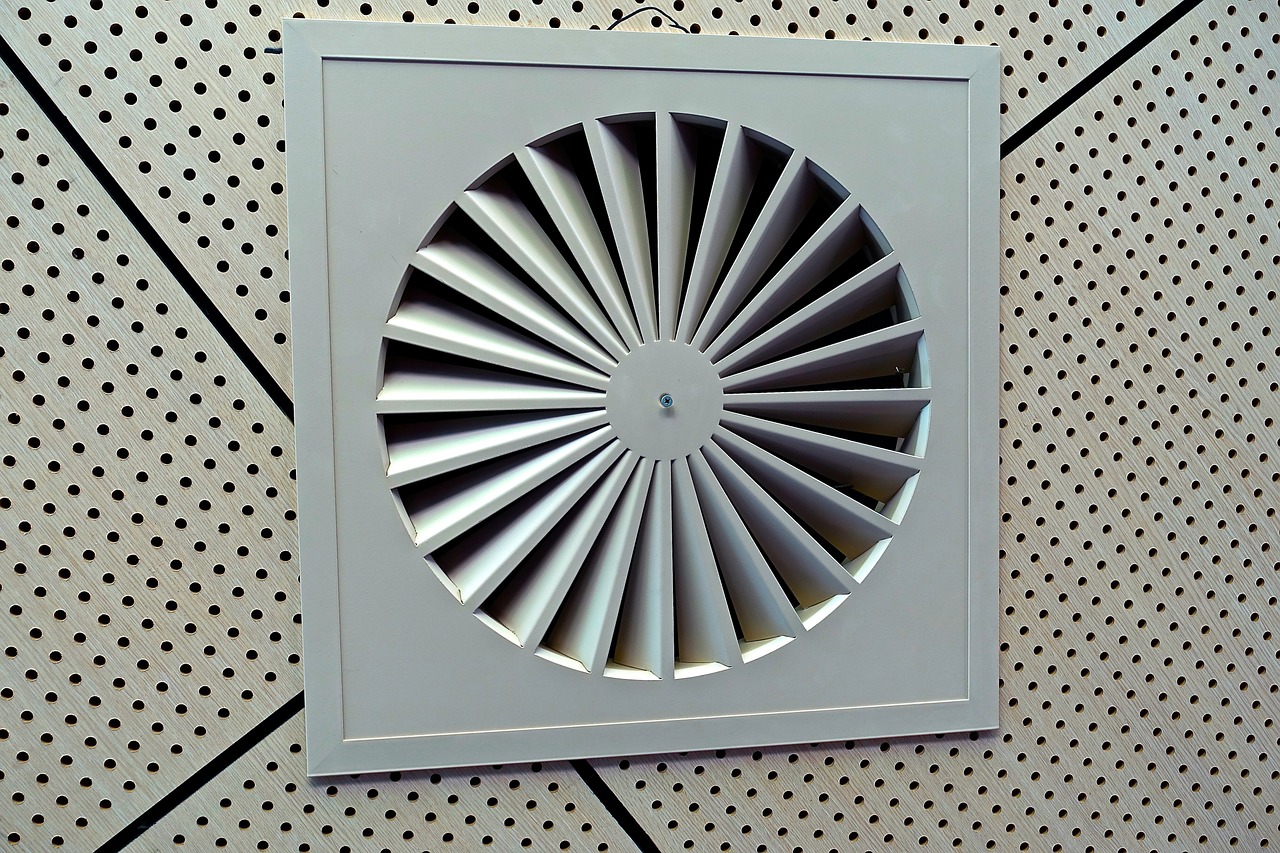
When choosing a bathroom 4-in-1 (or 5-in-1) heater and dryer (浴室暖風乾燥機), the first priority is voltage: 220V models reach a total power consumption of 2,100W to 2,650W, warming and drying a bathroom significantly faster than 110V models, which are limited by circuit current capacity to roughly 1,200W to 1,400W. Regardless of choosing 110V or 220V, a bathroom heater ventilator is a high-power appliance exceeding 1,000 watts operated in a damp environment. Installation must be performed by qualified personnel with a dedicated distribution panel circuit and an earth-leakage circuit breaker (ELCB, 漏電斷路器). Never connect it directly to thin shared wires serving existing exhaust fans or bathroom lighting, which could cause a tripped breaker (跳電) or an electrical fire hazard.
Bathroom Heater Ventilator 110V vs 220V Buying Guide
This article is compiled from publicly available online sources for general reference only; readers should independently verify and judge its accuracy, and it is not legal, tax, medical or engineering advice. Rules, fees and subsidies change; check the latest notice from the responsible authority before acting. For electrical, gas, structural or health risks, consult a qualified professional.
This is the English edition of a Chinese article, adapted with AI assistance and checked against the original. Where the two differ, the Chinese version and the official sources it cites prevail.
Note: Before purchasing, open the bathroom ceiling inspection access hatch to verify four physical conditions: (1) whether a dedicated power line can be routed from the main distribution panel to the bathroom ceiling; (2) whether an exhaust duct leads to the building common pipe shaft or outdoors; (3) whether clear ceiling clearance height exceeds 20 to 25 cm; (4) whether ceiling framework load capacity and opening dimensions match (commonly 30×30 cm or 40×27.5 cm). Appliances must bear the Bureau of Standards, Metrology and Inspection (BSMI, 經濟部標準檢驗局) commodity inspection certification mark.
Bathroom Heater Ventilator 110V vs 220V: Power, Current, and Heating Speed
Why do plumbers and electricians (水電師傅) and appliance stores strongly recommend 220V wiring during initial renovation? The key lies in the Regulations for Installation of Customer Electrical Equipment (用戶用電設備裝置規則) safety limits for single-phase branch wiring (common 2.0 mm solid wire has a safe current capacity of roughly 15A to 19A):
| Comparison Item | 110V Bathroom Heater | 220V Bathroom Heater |
|---|---|---|
| Rated power consumption (heating) | Approx. 1,200W to 1,450W (equivalent to a hair dryer) | Approx. 2,100W to 2,650W (heat output is about 1.6 to 2 times that of 110V) |
| Operating current (Amperes A) | 1,350W ÷ 110V ≈ 12.3A (approaching standard 15A circuit limit) | 2,200W ÷ 220V = 10.0A (nearly double the heating power, yet wire current is lower and safer) |
| Winter preheating and drying speed | In a small 1 to 1.5 ping (1 ping ≈ 3.3 m², 坪) bathroom, requires preheating 15 to 20 minutes before bathing; slower drying for towels and floors | Heats rapidly; warming up 5 to 10 minutes before bathing heats the room; suitable for bathrooms over 1.5 ping or homes requiring regular laundry drying |
| Requires a dedicated circuit? | Yes! Must not share existing bathroom lighting circuits (otherwise using a hair dryer triggers a breaker trip) | Yes! Route a dedicated line from the breaker panel or 220V air conditioning circuit to the bathroom ceiling |
| Estimated hourly electricity cost (at NT$3.5 per kWh) | 1.35 kWh × NT$3.5 ≈ approx. NT$4.7 per hour | 2.2 kWh × NT$3.5 ≈ approx. NT$7.7 per hour (runs shorter due to fast heating) |
Heating Methods and Motor Design: PTC Ceramic vs Carbon, Single vs Dual Motors
In addition to voltage, internal heating elements and fan motor configuration directly affect bathing comfort and moisture extraction efficiency:
| Specification Category | Type A | Type B | Buying Advice |
|---|---|---|---|
| Heating element difference | PTC ceramic heater (mainstream): Uses a blower fan to distribute warm air evenly across the room without glaring light; features self-regulating thermal safety; requires 5 to 10 minutes preheating | Carbon tube / halogen infrared: Delivers radiant heat within 3 seconds directly below; emits orange-red light, and areas outside the beam remain cooler | Choose PTC ceramic for households with infants or sensitivity to bright glare; choose carbon or hybrid PTC-carbon if immediate warmth without preheating is preferred |
| Motor count difference | Single-motor model: Contains only one motor; in heating mode it recirculates indoor air and cannot exhaust steam simultaneously, causing the room to feel stuffy like a sauna during long showers | Dual-motor model (independent circulation + exhaust motors): One motor circulates heated air while the second gently extracts moisture; substantially boosts moisture expulsion during dry modes | If budget allows, highly recommend dual motors with DC inverter exhaust; keeps bathing comfortable without stuffiness, and provides quiet, ultra-low energy 24-hour continuous ventilation |
If your bathroom only requires basic moisture exhaust without running dedicated wiring for a heater unit, see Bathroom Exhaust Fan Weak or Noisy? Cleaning Blades, Check Valve Inspection, and Replacement Guide for selecting and replacing quiet ventilation fans.
Four Essential Safety and Engineering Conditions Before Installation
- Dedicated panel circuit and earth-leakage circuit breaker (ELCB, 漏電斷路器): Bathroom moisture is intense. Under electrical codes and manufacturer manuals, bathroom heaters must be equipped with a dedicated no-fuse breaker (NFB, 無熔絲開關) and a high-sensitivity earth-leakage circuit breaker (ELCB) rated at 15mA or 30mA operating within 0.1 second, with proper green grounding wire connection.
- Ceiling cutout dimensions and structural reinforcement: Standard ventilation fans use a 21×21 cm cutout, while 4-in-1 heater dryers standard cutouts are mostly 30×30 cm (Japanese or elongated models often 40×27.5 cm or 41×28.5 cm). With machine weights of 5 to 8 kg, wood battens or hanging rods must reinforce the opening; never rest the unit directly onto thin calcium silicate boards.
- Never install directly above the shower head (dry area placement principle): Although the unit blows warm air, standing wet directly under moving air causes rapid water evaporation and chilling (wind chill effect). Install the unit in the dry zone outside the shower enclosure (above toilet or vanity), angling directional louvers toward the shower zone for uniform warmth.
- Direct outdoor exhaust duct with airtight check damper: The 4-inch (10 cm) aluminum flexible duct must vent into the exterior wall vent or building pipe shaft. Never vent moisture into the ceiling plenum (which causes calcium silicate and wood framing to rot and mold). When venting to a common building pipe shaft, choose a unit with a motorized or airtight gravity check valve (逆止閥) to block secondhand smoke and sewer odors from neighboring units.
For whole-home environmental control linking bathroom drying and bedroom dust mite management, refer to What Temperature Kills Dust Mites? 55°C Hot Water Washing, Tumble Drying, and Dehumidification Guide.
Frequently Asked Questions
Can I directly replace a standard exhaust fan with a 4-in-1 bathroom heater?
You cannot directly reuse original wiring. Standard small exhaust fans consume only 15W to 25W and share wiring and wall switches with bathroom lights. Heater dryers draw 1,350W to 2,650W; connecting to lighting wiring causes overloading, wire overheating, and fire risks. Qualified electricians must route a dedicated line from the breaker panel, expand the ceiling opening from 21×21 cm, and reinforce the framing.
In a windowless bathroom, can heater drying mode replace a dehumidifier?
The hot-air drying mode runs both heating elements and the exhaust fan simultaneously, evaporating moisture on tiles, towels, and hanging laundry and venting it outdoors. It completely dries and demolds windowless bathrooms within 1 to 2 hours, but power draw is much higher than compressor dehumidifiers (around 200W). After showering, squeegee floor water first, then run drying mode for 1 hour or switch to energy-efficient 24-hour ventilation mode.
Which is better: wall-wired control panel or wireless RF remote control?
For renovations or new construction during rough-in wiring, a wired control panel recessed outside the bathroom door requires no battery replacement, cannot be misplaced, and gives stable signals. For finished homes where drilling tile walls or running surface conduits is undesirable, an RF wireless remote control provides clean and fast installation.
Does a bathroom heater need regular maintenance? How do I clean it?
Yes. User maintenance primarily focuses on the intake air filter: Delta 300 series recommends servicing every 3 months (warning light activates after 3 months); Mitsubishi Electric Japan models indicate cleaning every 6 months and washing once a year if heavily soiled; Kohler flashes a red indicator light. Turn off power at the all-pole switch or distribution board breaker before servicing. Vacuum surface dust; wash lightly with clean water and dry completely in the shade only when permitted by manuals. Mitsubishi Electric warns against using brushes, and never spray water directly into the machine body. Kohler manuals mark maintenance for professional servicing. For step-by-step procedures by brand, see Bathroom Heater Ventilator Filter Cleaning and Noise Troubleshooting.
Last updated: 2026-11-03
Compiled by SOSfix from public technical references for general guidance. Consult the Bureau of Standards, Metrology and Inspection, licensed electrical contractors, or brand certified technicians for specific installations.
Sources
- National Regulations Database: Regulations for Installation of Customer Electrical Equipment (Verified 2026-11-01): Provisions on earth-leakage circuit breakers (ELCB) in damp locations and bathrooms, branch circuit ampere ratings, and wire gauge specifications.
- Bureau of Standards, Metrology and Inspection (BSMI): Safety Inspection Standards for Electrical Heaters and Ventilating Fans (CNS 60335-1, CNS 60335-2-30, Verified 2026-11-01): Waterproofing ratings, overheat protection, and mandatory commodity inspection mark compliance for bathroom heating and multifunctional ventilation equipment.
Related reading: Bathroom Heater Filter Cleaning and Maintenance Guide · Fixing Noisy Bathroom Heaters: Fan Cleaning and Maintenance · Bathroom Winter Thermal Shock and 220V Heater Guide