When installing safety grab bars in bathrooms for elderly family members, the most critical consideration is that structural holding strength depends on the wall substrate rather than the bar itself, alongside avoiding embedded water pipes and electrical wiring during drilling. Bottom line: reinforced concrete (RC) and solid red brick walls can directly secure stainless steel expansion anchor bolts; hollow block walls and lightweight drywall partitions (gypsum board or calcium silicate board) without pre-embedded structural steel plates must never anchor load-bearing bars directly, requiring heavy-duty spring toggle bolts or opening the partition to install solid backing wood blocks; before drilling, always estimate concealed pipe routes horizontally and vertically from faucets, angle stop valves (三角凡爾), and light switches, penetrating tile surfaces using diamond hole saws with water cooling to prevent cracked tiles or punctured pipes. While government assistive subsidies and overall budgeting are detailed in our 無障礙改善補助與預算指南 (barrier-free renovation subsidy guide), this guide focuses on on-site grab bar installation methods, wall bearing capacity, pipe avoidance SOPs, and pull testing without compromising waterproofing.
Bathroom Grab Bar Installation Wall Anchor and Pipe Guide
This article is compiled from publicly available online sources for general reference only; readers should independently verify and judge its accuracy, and it is not legal, tax, medical or engineering advice. Rules, fees and subsidies change; check the latest notice from the responsible authority before acting. For electrical, gas, structural or health risks, consult a qualified professional.
This is the English edition of a Chinese article, adapted with AI assistance and checked against the original. Where the two differ, the Chinese version and the official sources it cites prevail.
Assessing Wall Substrates: RC, Solid Brick, Hollow Block, and Drywall
Bathroom grab bars must absorb the sudden momentum of an elderly person slipping; select anchoring methods based on wall rigidity:
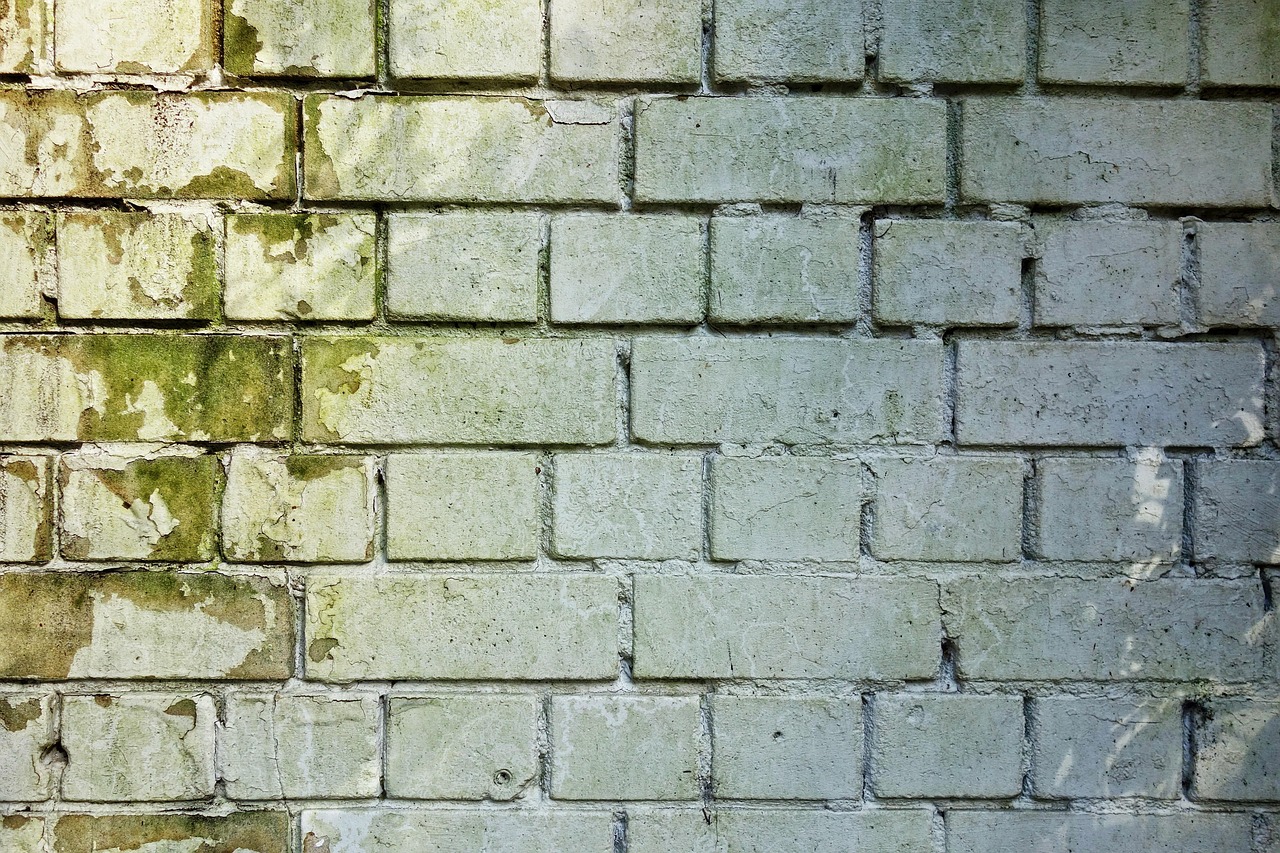
1. Reinforced concrete (RC) and solid brick walls: Common in Taiwan apartment structural shear walls and perimeter partitions. Tapping produces a dull, solid resonance, while rotary drilling encounters heavy resistance and discharges grey cement or reddish brick powder. These dense substrates allow 304 stainless steel expansion sleeve anchors embedded 5 cm deep to support static tensile loads exceeding 150 kg per anchor point.
2. Hollow block and autoclaved lightweight concrete (ALC) walls: Lightweight cellular concrete blocks are porous and fragile, discharging fine white dust during drilling. Standard mechanical metal anchors crush the brittle hole walls and pull out; use specialized elongated nylon spiral plugs or chemical injection anchors to extend grip depth to 8 to 10 cm.
3. Lightweight metal stud and calcium silicate board partitions: Many dry-wet separation bathroom partitions use metal studs with 9 mm or 12 mm calcium silicate boards. Screwing into thin board without C-channel metal studs or structural backing causes the board to tear out under load. Installers must locate metal studs using magnets or secure 1.8 cm thick exterior plywood backing plates before hanging grab bars.
| Bathroom Wall Substrate Type | Tapping Sound and Drilling Powder Characteristics | Recommended Safety Fastener Type | Pre-Installation Backing Reinforcement Required | Single Anchor Point Tensile Pullout Capacity |
|---|---|---|---|---|
| Reinforced Concrete Wall (RC) | Dull solid tone; discharges dark grey cement dust | 304 stainless steel sleeve expansion bolts | No; substrate provides immense structural strength | Exceeds 150 kg tensile load |
| Solid Red Brick Masonry | Crisp hard resonance; discharges reddish brick sand | Stainless steel sleeve anchors or heavy nylon plugs | No; verify placement avoids mortar joints | Approx. 100 to 120 kg tensile load |
| Lightweight Cellular ALC Block | Minimal resistance; discharges voluminous white dust | Nylon expanding anchors or chemical injection studs | Recommended long-reach anchors to distribute stress | Approx. 50 to 70 kg tensile load |
| Lightweight Stud Drywall Partition | Hollow booming echo; strong cavity vibration | Heavy-duty metal spring toggle wing bolts | Must anchor into steel studs or pre-installed backing | Under 20 kg unreinforced; up to 100 kg reinforced |
Avoiding Concealed In-Wall Pipes: Water Lines and Electrical Conduits
Puncturing concealed cold or hot water pipes is a plumbing disaster; observe rigid pipeline layouts prior to drilling:
1. Horizontal and vertical pipe routing standards: Plumbing in Taiwan follows strict orthogonal routes. Centering on sink single-lever mixers, shower mixing valves, or toilet angle stop valves (三角凡爾), water supply pipes run vertically upward toward heaters or straight downward to subfloors. Avoid drilling within a 15 cm wide zone directly above or below any plumbing fixture.
2. Electrical conduit exclusion corridors: PVC wiring conduits for bathroom light switches, mirror defogger receptacles, and heater controllers run vertically into ceilings or slab floors. Position grab bar drill holes at least 10 cm away from vertical lines running through electrical box faceplates.
3. Limitations of wall scanners: Multi-material digital scanners locate energized AC cables and ferrous metal pipes (such as galvanized steel), but can miss non-metallic PVC drain pipes or stainless steel crimp pipes behind thick tile mortar beds. Safely drill 1.5 cm just through the tile, then probe gently with a manual screwdriver to verify pipe clearance before deep masonry drilling, consulting our 老屋全室水電健檢計算器 (old house electrical and plumbing checkup calculator).
Grab Bar Layout: Toilet, Shower Stall, and Entry Threshold
Grab bar configurations must correspond directly to natural biomechanical postures during daily movements:
1. Toilet perimeter configuration: Side walls require an L-shaped grab bar or horizontal bar mounted 70 to 75 cm above the floor (natural armrest resting height), allowing downward arm pressure when rising. The vertical segment extends 60 cm upward and 15 to 25 cm forward of the toilet bowl rim for standing balance. For walls without side partitions, install a floor-mounted swing-up drop-down armrest that folds up for wheelchair transfers.
2. Shower stall grab bars: Mount a vertical bar adjacent to the shower mixer valve starting 70 to 80 cm above floor level up to 130 cm, allowing secure one-handed stabilization while washing hair. A horizontal bar should flank shower transfer benches to assist sit-to-stand transitions.
3. Ergonomic dimensions and clearance standards: Under Ministry of the Interior accessibility guidelines, grab bar outer diameters should measure between 3 and 4 cm for optimal grip closure. Maintain a clear gap of at least 5 cm between the bar and wall tiles to prevent scraped knuckles during emergency grasping; explore subsidy options in our 台北市銀髮修繕補助 (Taipei elderly renovation guide) and 輔具補助申請表 (assistive devices subsidy application).
| Bathroom Functional Zone | Recommended Grab Bar Type | Standard Mounting Height and Dimensions | Primary Biomechanical Support Function |
|---|---|---|---|
| Toilet Side Wall Partition | L-shaped safety grab bar (horizontal + vertical) | Horizontal at 70 to 75 cm height; extends 20 cm forward | Guides sitting descent and provides vertical pull lift |
| Toilet Open Space Side | Floor-anchored swing-up folding armrest | Top rail at 70 to 75 cm height; approx. 70 cm length | Downward push for standing; swings up for wheelchair transfer |
| Shower Faucet Area | Vertical straight safety grab bar | Lower end at 70 cm; upper end reaches 130 cm | Single-handed standing balance while showering |
| Bathroom Doorway Threshold | Short vertical entryway grab bar | Center point mounted at 85 to 90 cm height | Initial balance anchor when stepping over high thresholds |
Fastener Comparison: Sleeve Anchors, Hollow Bolts, and Suction Bars
Grab bar fastening hardware determines life safety; choose proven commercial fixtures:
1. Non-cracking tile drilling procedure: Apply masking tape over the marked drill crosshair to prevent bits from skating. Use a 6 mm or 8 mm four-flute tungsten carbide or diamond core bit on rotary mode only (disable hammer action completely). Drill at 45 degrees to notch the glaze, bring the drill perpendicular, and spray water continuously to cool the bit. Switch to hammer mode only after penetrating tile into concrete.
2. Waterproof hole sealing: Inject neutral mold-resistant silicone sealant into drilled holes before inserting stainless anchor sleeves. Apply an additional silicone bead around the baseplate perimeter after tightening to prevent shower water from wicking behind tiles into the waterproofing membrane.
3. Fatal hazards of suction cup grab bars: Vacuum suction grab bars provide transient balance assistance but fail catastrophically as fall-arrest fixtures. Temperature fluctuations and steam degrade rubber seals within 1 to 3 months; when an elderly person falls, 2 to 3 times their body weight tears suction cups off instantly, leading to severe injury.
Installation Acceptance Testing and Routine Maintenance
Every newly installed grab bar requires rigorous load testing before handover to seniors:
1. 70 kg dynamic downward and lateral pull testing: After allowing silicone sealant to cure for 24 hours, an adult technician must grasp the bar with both hands, applying a full 70 kg downward pull, lateral push, and vigorous multi-directional shake. A properly mounted grab bar exhibits zero flex, no rattling noise, and no hairline cracking around tile bases.
2. Semi-annual screw tightness inspection: Check mounting flange screws every 6 months to ensure building settlement or vibration has not loosened bolts, and inspect non-slip textured rubber grips for mold.
Frequently Asked Questions
What should I do if drilling for a grab bar punctures an in-wall pipe?
If water sprays from the hole, shut off the main water valve at the rooftop meter or bathroom shutoff immediately, and open faucets to bleed pressure. Leave the drill bit inside temporarily to prevent high-velocity water from gouging tile mud beds. Call a licensed plumber to break out the single tile, crimp or solder a copper repair coupling, pressure-test the repair for 24 hours, and restore tile waterproofing.
Can suction-cup no-drill grab bars be safely used by frail seniors?
No, suction bars are unsafe as primary fall-prevention fixtures. They rely entirely on smooth polished tiles and slide easily on textured stone or grout lines. Sudden fall impact forces exceed suction capacity, causing immediate failure; suction bars should only serve as temporary travel aids.
Can grab bars be mounted onto lightweight drywall partitions?
Only with structural reinforcement. Standard hollow wall drywall screws pull out under 20 kg of force. Reinforce the wall by anchoring into internal C-studs using metal toggle bolts, embedding 1.8 cm structural plywood backing during renovation, or using through-bolts with backer plates on opposing room walls.
Is there an official legal standard for bathroom grab bar mounting heights?
The Ministry of the Interior Design Specifications for Accessible Facilities in Buildings mandates horizontal toilet grab bars at 70 cm height with 3 to 4 cm diameters for public spaces. In private residences, custom ergonomics govern: measure the senior seated on the toilet or shower chair; their forearm bent naturally at 90 degrees defines the optimal mounting height for maximum pushing leverage.
Summary and Recommendations
Proper grab bar installation requires 4 pillars: verify wall substrates, locate hidden piping, anchor into concrete or reinforced studs, and seal drill holes with silicone. Robust mechanical anchoring ensures dependable daily safety for aging family members.
Sources
Technical specifications referenced from official public publications:
- National Land Management Agency (Verified 2026-11-11): Design Specifications for Accessible Facilities in Buildings Chapter 5 Sanitary Facilities Grab Bar Specifications
- Ministry of Health and Welfare Long-Term Care (Verified 2026-11-11): Home Accessibility Improvement Services and Sanitary Safety Facility Subsidy Criteria
Disclaimer: Technical specifications are compiled from public architectural standards and plumbing practices. Structural conditions vary across residences; evaluate site specifics carefully and consult qualified contractors.