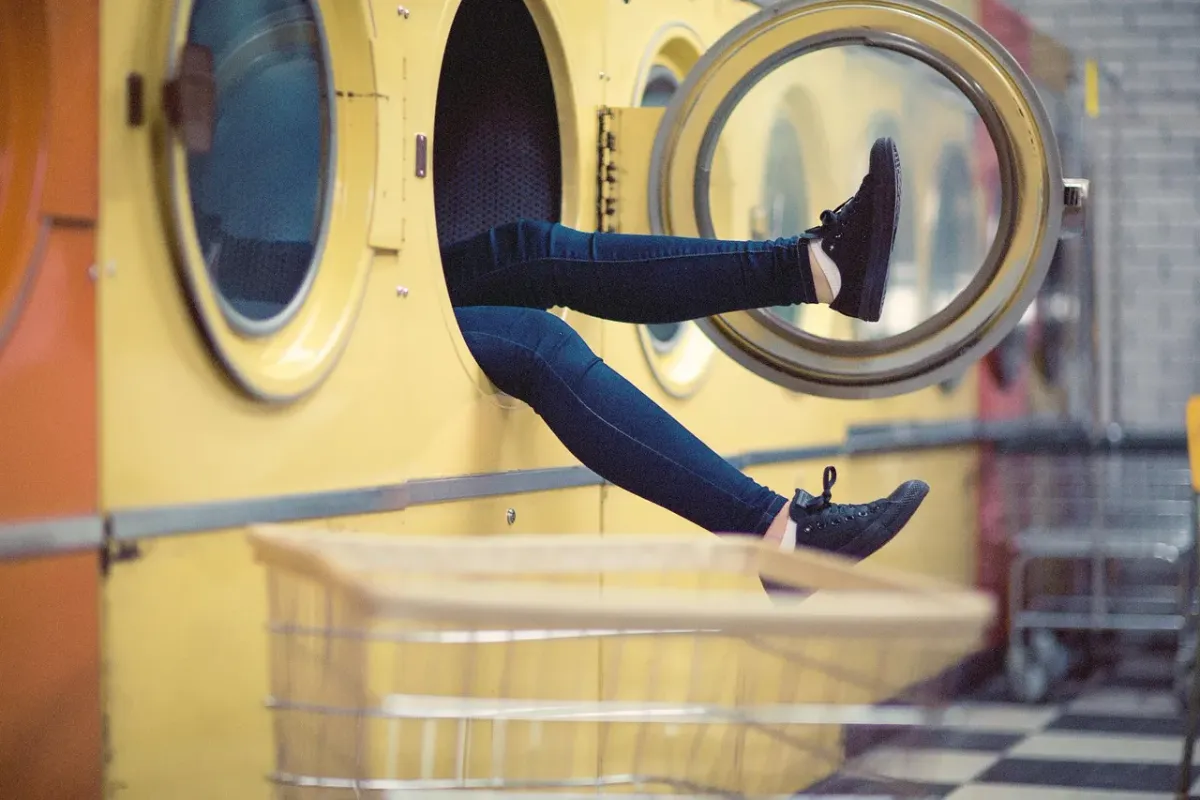
According to statistics from the 衛福部 and the 國民健康署, the number one culprit behind accidental deaths and severe disabling injuries among elderly people in Taiwan is precisely "跌倒", and the most fatal blind spot where slipping and fracturing are most likely to occur in a home environment is "衛浴空間濕滑的地面磁磚". When shampoo, body wash, or soapy water mixes with tap water and covers the surface of smooth vitrified or glazed tiles, the static friction coefficient plummets below 0.2, and a slight loss of balance can lead to a heavy fall resulting in comminuted hip fractures or even intracranial hemorrhage. Many families lay plastic anti-slip mats for slip resistance, which become even more dangerous because the bottoms breed mold and accumulate grime, growing moss. In fact, using modern "奈米隱形防滑劑 (化學微孔蝕刻) " takes just half an hour to make tiles produce strong suction grip when meeting water!
Anti-Slip Floor Coating for Bathroom Tiles
This article is compiled from publicly available online sources for general reference only; readers should independently verify and judge its accuracy, and it is not legal, tax, medical or engineering advice. Rules, fees and subsidies change; check the latest notice from the responsible authority before acting. For electrical, gas, structural or health risks, consult a qualified professional.
This is the English edition of a Chinese article, adapted with AI assistance and checked against the original. Where the two differ, the Chinese version and the official sources it cites prevail.
Chemical Operation Safety Warning: Most commercially available nano invisible anti-slip agents contain weakly acidic fluorides (such as fluosilicic acid or complex weak acid salts) as their main ingredients. During application, be sure to wear rubber waterproof goggles and maintain good ventilation in the bathroom exhaust doors and windows; it is strictly prohibited to let the anti-slip agent solution contact metal floor drains, stainless steel shower hose, or glass doors, as contact with acid agents will cause metal hardware to produce black oxidation pitting! Strictly control the application reaction time within 10 to 15 minutes; failing to rinse with water after the time expires will cause the polished tile surface to severely fog, whiten, and lose its luster!
1. The Physico-Chemical Mechanism of Invisible Anti-Slip Agents: Microscopic "Octopus Nano-Suction Cups"
Why can an anti-slip liquid that looks as transparent as water maintain its original appearance after being applied to a tile surface yet provide slip resistance when wet? Behind this is precise material micro-reaction:
- Micro-Etching: The tile surface is a high-gloss dense glassy layer formed by high-temperature sintering of silicon dioxide (SiO₂) along with feldspar and clay. The weakly acidic active molecules in the anti-slip agent undergo a very weak chemical displacement reaction with the silicates on the tile surface, etching 數以億計直徑僅數微米 (μm) 的深邃垂直微孔 into the surface.
- Suction Cup Effect: When the tiles are dry, these micro-pores have a very shallow depth (far smaller than the wavelength visible to the naked eye), and under direct light they still maintain their original crystal-bright luster and color; however, when the soles of the feet step onto a wet tile surface with water, the pressure from the feet squeezes water into the numerous micro-pores, and as the water is squeezed out, a momentary vacuum forms inside the micro-pores, 產生如同無數微型章魚吸盤般的負壓物理吸附力, making the floor "越濕, 越有肥皂水反而抓地力越強悍"!
2. Comprehensive Showdown of the Pros and Cons of Four Bathroom Floor Anti-Slip Construction Methods
Common anti-slip measures on the market each have their applicable scenarios and fatal weaknesses:
- Traditional Plastic Interlocking Anti-Slip Mats/Suction Cup Mats: The cost is extremely low, but underneath is a dark, smelly breeding ground for bacteria, hair, and mold, requiring them to be pulled up and scrubbed fiercely every week; furthermore, when the suction cups age and debond, they instead slide as a whole piece, causing even more serious slip injuries.
- Rough Silicon Carbide Anti-Slip Tape/Anti-Slip Patches: Utilize coarse particles to provide friction, suitable for stair tread edges; however, in a humid bathroom, the adhesive easily gets damp, peels, and curls up, and bare-foot stepping produces a distinct stinging and scraping sensation on the feet.
- Chemical Micro-Pore Invisible Anti-Slip Agent (This Method): Completely changes nothing about the tile appearance, has no sense of thickness, does not trap dirt or grime, allows normal daily scrubbing and cleaning, and increases gripping force by over 2 times instantly upon contact with water.
- Total Demolition and Remodeling with New Anti-Slip Slate Tiles (R11/R12 Grades): The most fundamental decoration method, with extremely high slip resistance coefficients; the downside is that it requires total room demolition, masonry work, and waterproofing redone, with engineering costs running as high as tens of thousands to hundreds of thousands of NTD and requiring several days of construction time.
3. Standard 4 Steps for DIY Invisible Anti-Slip Agent Application
Doing it yourself to treat a shower area of about 1 to 2 ping (1 ping ≈ 3.3 m²) is extremely fast in process:
- Deep Degreasing, Cleaning, and Drying: First use dish soap or a dedicated bathroom cleaner to thoroughly scrub away human sebum and body wash soap scum accumulated over a long time in the tile joints and surface, 並用刮水器與毛巾徹底擦乾表面 (磁磚表面若有積水會稀釋藥劑濃度引發反應不均勻) .
- Protecting Metal Floor Drain Hardware: Use plastic bags or masking tape to completely wrap and seal the stainless steel floor drain holes and metal decorative covers, preventing dripping anti-slip agent from corroding and discoloring the metal.
- Even Application and Mastering the "Golden Reaction Time":
- Shake the anti-slip agent well, pour it into a plastic basin, and use a dedicated short-pile roller brush or sponge flat mop to evenly and fully apply it across every tile surface.
- 嚴格計時靜置 10 至 15 分鐘 (generally about 15 minutes for matte tiles, and about 8 to 10 minutes for high-gloss polished porcelain tiles).
- Test the feel: Wear clean slippers or go barefoot, step onto the wet tiles coated with the agent, and push forward hard. If you feel the soles of your feet "被地面牢牢吸住, 有極強阻力剎車感", it means the micro-pores have been etched into shape.
- Rinsing Thoroughly with Plenty of Clean Water: Turn on the showerhead and rinse the entire room floor vigorously with cold water for at least 3 to 5 minutes, washing all residual acidic agent down the drain to neutralize and terminate the reaction. Once rinsing is complete, you can immediately step onto the floor barefoot and use it with peace of mind!
4. Comparison Table of Performance Coefficients and Maintenance Costs for Various Anti-Slip Measures
| Anti-Slip Method Solution | Wet Friction Coefficient (C.S.R) | Appearance Aesthetic Change | Anti-Slip Effective Lifespan | Engineering Application Budget Cost |
|---|---|---|---|---|
| Untreated Original Glossy Porcelain Tiles | 0.15–0.25 (Extremely Dangerous) | Original High Gloss | Permanently slippery and prone to falls | 0 NTD |
| Nano Invisible Micro-Pore Anti-Slip Agent | 0.55–0.70 (Extremely Safe) | 95% Retains Original Matte Look | About 1–2 Years (Re-coatable) | About 350–600 NTD (One DIY Kit) |
| Bathroom Plastic Suction Cup Interlocking Mats | 0.40–0.50 (Moderate) | Obtrusively blocks tiles, molds and turns black easily | About 3–6 Months (Plastic Aging) | About 300–800 NTD |
| Total Demolition and Re-paving with R11 Rough Slate Tiles | 0.60–0.80 (Extremely Safe) | Rugged stone texture and great tactile feel | 10+ Years (Permanent) | About 40,000–80,000 NTD (Masonry Work) |
5. Official Architectural Safety Regulations and Anti-Slip Inspection Standards
The anti-slip performance testing of building floor materials shall comply with the Bureau of Standards, Metrology and Inspection (BSMI) CNS 3299-12 Ceramic Tile Test Method - Part 12: Slip Resistance Test Method, and the wet slip resistance value (C.S.R) for public accessible barrier-free bathrooms is recommended to reach 0.5 or above. For senior home anti-fall environmental design guidelines, please refer to the Ministry of Health and Welfare Elderly Home Anti-Fall Manual guidelines.
More bathroom space decoration and anti-fall engineering tutorials: Guide to Installation Positions and Heights of Accessible Bathroom Safety Grab Bars for Seniors, and Bathtub Removal and Dry-Wet Separation Shower Enclosure Construction Inspection Manual.
6. Frequently Asked Questions (FAQ)
Q1: After applying the anti-slip agent, can I normally scrub the bathroom floor with strong acids, hydrochloric acid, or bleach?
嚴格禁止使用強酸 (鹽酸) 洗地. Hydrochloric acid will continue to violently and irreversibly erode the tile micro-pores that have already been formed, causing the micro-pore boundaries to completely collapse and shatter, leading to large areas of whitening, rough dirt trapping, and even pulverization on the tile surface! Daily cleaning only requires "中性洗碗精, 小蘇打水或稀釋洗髮精搭配軟毛刷" to gently scrub; more importantly, if the floor has accumulated a thick layer of sebum and body wash oils from showering over the years, the oils will plug the nano micro-pores dead, causing the anti-slip strength to temporarily drop. At this time, use hot water and dish soap to scrub the oils clean, and the strong anti-slip suction grip will immediately revive!
Q2: Once the invisible anti-slip agent is applied, how many years can the anti-slip effect roughly be maintained?
Under normal usage frequency by 2 to 4 people in a typical family, the micro-pore physical structure can generally remain stable for 1 to 2 years. Along with daily foot and shoe sole friction and scrubbing wear, the micro-pore corners will gradually become rounded and dull. When you feel a slight slipperiness when stepping on water in the shower after a year, you simply need to purchase a bottle of anti-slip agent and repeat the above 4 steps to re-coat once, maintaining long-term safety protection for another 1 to 2 years.
This anti-slip agent is "嚴禁" suitable for natural marble or granite bathroom floors!
Q3: Is this anti-slip agent suitable for natural marble or granite bathroom floors?
普通磁磚專用防滑劑"嚴禁"用於天然大理石. Natural marble's main component is calcium carbonate (CaCO₃), which is extremely sensitive to acid. General tile anti-slip agents applied to it will produce violent chemical bubbling and corrosion within 10 seconds, causing the expensive piece of marble to instantly "嚴重霧化變白毀容"! If the bathroom at home features natural marble or terrazzo, you must specially purchase and procure items marked "天然石材/大理石專用特殊微弱螯合防滑劑", and first conduct a small-area pilot test in an inconspicuous corner.
Q4: What should I do for first aid if I accidentally apply it to glass shower enclosure doors or stainless steel faucets during construction?
Once you discover splashing on metal or glass surfaces, "0 秒以內立即用蓮蓬頭大量冷水強力沖洗乾淨"! If the weak acid components of the anti-slip agent stay on the stainless steel chrome-plated surface for more than 2 to 3 minutes, the chrome layer will be oxidized to produce white foggy permanent spots; if they dry on the glass surface, the glass will show frosted white foggy marks that are hard to wipe off. The best protection during construction is to first apply a layer of dust-proof masking film underneath the metal and glass to achieve one hundred percent isolation.
Related reading: Southern Dew Defense: Tile Anti-Slip & Dehumidifying Guide · No-Drill Rental Kitchen Storage & Tile Stickers Guide · Elderly Bathroom Shock Protection and Emergency Call System · South Wind Tile Sweating and Dehumidifier Setup Guide · Dog Slipping on Tile Floors: Anti-Slip Ratings & 4 Fixes