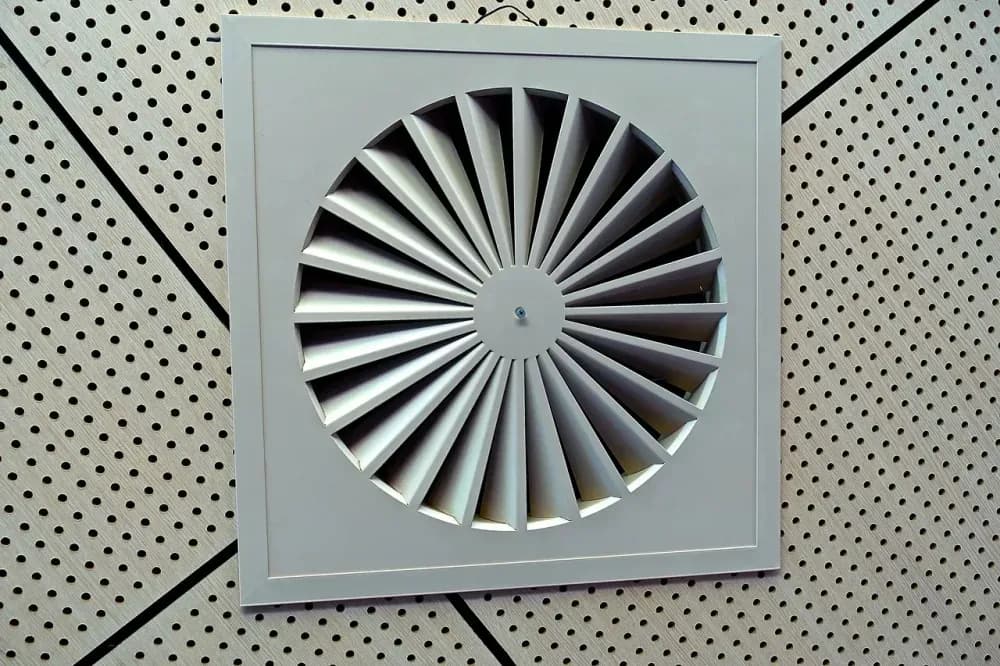
Bathroom exhaust fans are important equipment in the bathroom, which can remove moisture and odors and keep the air fresh. However, there are times when an extractor fan may become noisy or not run, which may be due to dust buildup, worn parts, or a faulty circuit. Below we share some ways to solve the problem of noisy and non-functioning bathroom extractor fans.
1. Clean the extractor fan
Noisy and non-operating problems are usually caused by dust accumulation on the extractor fan. First, disconnect the power source, then use a vacuum cleaner or a damp cloth to clean the outside of the extractor fan and the fan blades. Make sure you clean it thoroughly and do it regularly to prevent the problem from happening again.
2. Check the fan blades
Sometimes, the fan blades of the exhaust fan may be bent or damaged, which may cause noise and non-operation issues. Check that the fan blades are installed correctly and not damaged, and replace them with new ones if necessary.
3. Check the circuit
If the problem persists after cleaning and inspecting the fan blades, it may be due to a faulty circuit. Check whether the circuit connection is normal, whether the power supply is normal, and make sure the switch and connecting lines are functioning properly. If a circuit fault is found, please contact professional technicians for repair.
4. Lubricate the bearings
If the exhaust fan bearings are not lubricated it may cause noise problems. After disconnecting the power supply, lubricate the bearings with oil or lubricant to ensure smooth bearing operation.
Finally, regular maintenance and cleaning of your bathroom extractor fan is key to keeping it functioning properly. If you are unable to solve the problem of the exhaust fan being noisy or not running, it is recommended to contact a professional technician for repairs to avoid more serious problems.
🇹🇼 Expat Living Note: Home Repairs in Taiwan
If you are an international resident renting an apartment in Taipei, New Taipei, or anywhere in Taiwan:
- Voltage & Electrical Safety: Taiwan standard household voltage is 110V (60Hz). Do not plug 220V imported European/UK appliances directly without a certified step-up transformer.
- Plumbing Terminology: Local plumbers are called 水電 (Shuǐdiàn) and handle both water and electrical repairs.
- Landlord Obligations: Under Article 429 of Taiwan Civil Code, landlords are legally responsible for repairing natural wear and tear (such as hidden wall pipe leaks, water heater faults, or booster pump failures) unless explicitly waived in your lease.
Legal Disclaimer
The information provided on this website is for general educational and reference purposes only. For hazardous repairs involving live 220V electrical circuits, main gas lines, or structural wall drilling, always consult certified, licensed technicians. SOSfix disclaims any liability for personal injury or property damage resulting from DIY repair attempts.