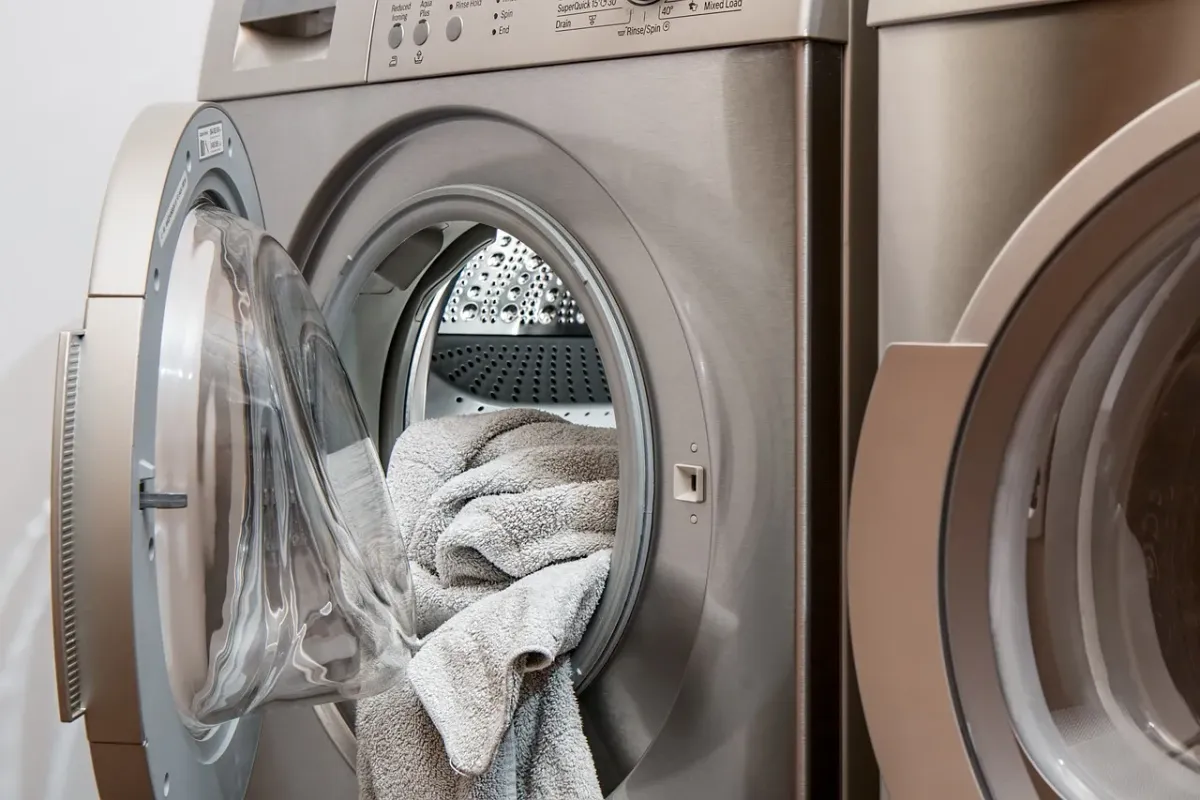
On utility balconies of apartments and residential buildings, washing machines serve as essential daily appliances. Yet during high-speed drain cycles, many households face a frustrating disaster: "As large volumes of wash water discharge into the floor drain, thick white laundry detergent suds surge up around the drain grate with gurgling noises, turning the balcony into an ocean of foam." Even worse, when not washing clothes, foul sewer odors drift up from the drain, and large American cockroaches crawl out into the home at night! This primarily occurs because the corrugated drain hose is inserted loosely into an unsealed metal grate opening. Installing a dedicated sealed anti-odor washing machine floor trap adapter permanently eliminates both problems.
Washing Machine Drain Suds Overflow and Odor Backflow Fix
This article is compiled from publicly available online sources for general reference only; readers should independently verify and judge its accuracy, and it is not legal, tax, medical or engineering advice. Rules, fees and subsidies change; check the latest notice from the responsible authority before acting. For electrical, gas, structural or health risks, consult a qualified professional.
This is the English edition of a Chinese article, adapted with AI assistance and checked against the original. Where the two differ, the Chinese version and the official sources it cites prevail.
Sanitation and water damage warning: If severe balcony drain overflows occur without waterproofing layers or protective doorway thresholds, wastewater can seep along sliding glass door tracks into the living room, ruining hardwood or laminate floors within hours. In multi-story buildings, if a washing machine drain line lacks a one-way sealed fitting, negative pressures or downstream backups in the vertical drainage stack can force suds up through your balcony floor drain at high pressure.
1. Three Fluid Dynamics Causes of Washing Machine Suds Overflow
Understanding how foam and wastewater reverse flow explains why shoving the hose deeper achieves nothing:
- Drop kinetic energy impact causing rapid air entrainment and foam expansion: Drum or top-load washers use powerful drain pumps or gravity valves discharging water at 30 to 50 liters per minute. High-velocity surfactant-laden water violently churns upon striking standing water in the P-trap / drain trap, entraining air that multiplies foam volume dozens of times.
- Unsealed floor drains functioning as paths of least resistance: Foam has very low density and is lighter than water. When pipes fill with water, air and foam cannot flow downward against gravity, escaping instead through the annular gap between the flexible drain hose and the metal floor drain grate.
- Inadequate water seal depth or missing P-trap in older buildings: If balcony drainage lacks a functional P-trap water seal, sewer biogas, rotten odors, and drain pests travel straight into living areas.
2. Three Core Defensive Barriers of Sealed Floor Trap Adapters
High-quality commercial stainless steel or ABS washing machine floor adapters provide triple protection:
- Rigid sealed threaded interface: Replaces open drain grates with a sealed metal plate featuring a dedicated central port. The drain hose connects through an elbow fitting surrounded by multistage silicone gasket rings that seal against the floor opening, leaving zero gaps for pressurized suds.
- Magnetic or gravity-assisted one-way check valve: Incorporates an internal one-way flapper valve at the base. Under heavy drain flow, the weight of rushing water pushes the flapper wide open; once drainage stops, magnets or stainless steel springs snap the valve shut, blocking odors and cockroaches.
- Dual-pipe tee expansion functionality: Advanced models feature a Y-shaped dual connection port that simultaneously connects a washing machine drain hose and a clothes dryer condensation line into a single floor drain neatly.
3. DIY Installation of Anti-Odor Floor Trap Adapters in 4 Steps
Installation requires only flathead and Phillips screwdrivers and costs around one hundred dollars:
- Remove the old metal floor drain cover: Unscrew the center mounting screw on the balcony floor drain and remove the corroded grate.
- Clear hair and debris from the pipe opening: Use an old toothbrush or pliers to pull out trapped lint, hair, and detergent sludge adhering to the pipe walls, ensuring a clean surface.
- Insert the one-way anti-odor check valve core: Press the gravity-closing magnetic check valve fitted with silicone adapter rings squarely into the pipe opening. Pour a cup of water to verify smooth opening during flow and immediate snap closure when flow ceases.
- Secure the cover plate and clamp the drain hose:
- Align the metal cover plate with screw holes and tighten it firmly to the floor.
- Firmly push the washing machine corrugated hose into the elbow nozzle to a depth of at least 3 cm.
- Fit the included stainless steel hose clamp and tighten securely with a screwdriver to prevent high-pressure drainage vibrations from dislodging the hose. Run a spin cycle to confirm dry, odor-free drainage!
4. Performance and Cost Comparison Across Drainage Retrofit Methods
| Drainage Configuration | Suds Overflow Protection | Sewer Gas and Odor Blocking | Pest and Insect Barrier | Material and Hardware Cost |
|---|---|---|---|---|
| Hose inserted directly into old open drain | Extremely poor (inevitable suds overflow) | Zero protection (direct odor escape) | No barrier (cockroaches enter freely) | 0 TWD |
| Sealed anti-odor metal floor adapter | Outstanding (100% sealed without foaming) | Excellent (magnetic one-way closure) | 100% barrier against pests | Around 150 to 300 TWD |
| Flexible silicone sealing plug | Good (basic airtight seal) | Good (slitted silicone closure) | Good (effective pest block) | Around 50 to 80 TWD |
| Masonry demolition to build deep P-trap | Excellent (water seal blocks gas) | Excellent (water barrier blocks odors) | Excellent (pest barrier) | Approx. 6,000 to 12,000 TWD (masonry needed) |
5. Official Building Plumbing Regulations and Testing Standards
Residential plumbing drainage trap and vent designs must strictly follow the National Land Management Agency under the Ministry of the Interior Building Technical Regulations (建築技術規則) Building Equipment Chapter Articles 29 to 34. For trap seals and floor grates, refer to Bureau of Standards, Metrology and Inspection (BSMI) standard CNS 2334 Traps and Floor Drains.
For more balcony plumbing and electrical work appliance maintenance guides, see our articles on front-load washer shock absorber vibration and replacement and balcony outdoor waterproof outlet box installation.
6. Frequently Asked Questions FAQ
Q1: Will an anti-odor adapter restrict drain speed and trigger washing machine drainage timeout errors?
No. Modern magnetic check valves feature wide-bore flappers (flow passage diameter exceeding 40 mm). High-volume washer discharge forces the flapper open to a vertical 90-degree angle, permitting flow rates of 0.8 to 1.2 liters per second. This capacity exceeds domestic washing machine pump outputs, preventing backpressure or washer OE/E2 drain timeout faults.
Q2: Why do bubbles overflow even when using normal laundry detergent?
Front-load washing machines require designated high-efficiency (HE) low-suds concentrated detergent. Traditional detergents formulated for top-loaders generate excessive foam. Because front-loaders use only 1 third the water volume of top-loaders, tumbling high-foaming agents creates dense suds that resist breaking down. Using HE detergents and measuring half-cap doses prevents suds overflows while improving cleaning performance.
Q3: How do I install an adapter if the floor drain lacks screw holes and is just an open pipe?
This is common in older townhouses. Select an expanding silicone self-locking anti-odor adapter featuring 3 to 4 barbed stepped silicone fins. Pressing the adapter firmly into a 50 mm (2-inch) PVC pipe allows the silicone barbs to grip internal pipe walls tightly, forming an airtight seal without screws.
Q4: If the balcony drain pipe is partially clogged, will sealing the drain cause leaks elsewhere?
If the main drain line has heavy debris deposits, sealing the floor drain prevents surface spillage, but water will back up into the washer hose and impair spinning. Inspection test: Pour a bucket of water into the drain before installing the adapter. Water should vortex away within 3 seconds; if drainage backs up and takes more than 5 seconds to clear, snake the line before fitting the adapter.