
買下人生第一間房子往往耗盡全家數百萬甚至上千萬積蓄,許多首購族在看中古屋時,往往只被裝潢的美輪美奐、採光好通風佳吸引,一衝動就拿出 10 萬元斡旋金簽約。直到辦理房貸時才驚覺:房屋被前屋主借了私人高利貸二胎抵押權、陽台外推是即報即拆的嚴重違建、甚至主建物實坪比仲介廣告短少了整整 5 坪! Buying a home often consumes millions or tens of millions in family savings. Many first-time buyers viewing used homes are dazzled by staging, daylighting, and ventilation, impulsively putting down 100,000 TWD (10 萬) in negotiation deposits. Only during loan applications do they realize the previous owner encumbered the property with predatory private second mortgages, that balcony push-outs constitute illegal additions subject to immediate demolition, or that main building living space is 5 pings smaller than advertised. Reading Land Registry Type 2 transcripts and real estate agency property investigation sheets before signing purchase contracts is vital protection.
Used House Title Deed and Property Inspection Guide
This article is compiled from publicly available online sources for general reference only; readers should independently verify and judge its accuracy, and it is not legal, tax, medical or engineering advice. Rules, fees and subsidies change; check the latest notice from the responsible authority before acting. For electrical, gas, structural or health risks, consult a qualified professional.
This is the English edition of a Chinese article, adapted with AI assistance and checked against the original. Where the two differ, the Chinese version and the official sources it cites prevail.
1. Decoding the 3 Core Sections of Building Registration Transcripts
When requesting property investigation packages from realtors, review the Building Registration Transcript issued within the past 3 days across three core sections:
| Transcript Section | Core Recorded Information | Key Buyer Review Points and Warning Signals |
|---|---|---|
| 1. Description Section (Building Basic Identity) | Building number, address, plot number, completion date, total area, main/accessory/common area |
|
| 2. Ownership Section (Property Rights Holder) | Owner name, ID number, registration date, registration reason (sale, inheritance, gift), rights scope |
|
| 3. Encumbrance Section (Mortgages and Debts) | Encumbrance type (mortgage), creditor (bank or individual), secured debt limit, duration |
|
2. 4 Hidden Property Pitfalls in Real Estate Investigation Sheets
Beyond baseline transcript figures, examine these four critical survey items in real estate disclosures:
- Unregistered Illegal Additions and Prohibited Uses (Rooftops, Balconies, Mezzanines):
- If an advertisement claims 40 pings of usable space while the transcript shows only 22 pings of main building area, the remaining 18 pings are illegal additions.
- Check municipal violation records: Does it count as new illegal construction built after January 1, 1995 in Taipei (民國 84 年 1 月 1 日, subject to immediate demolition)? Even pre-1995 existing additions will be dismantled if blocking fire escapes or emergency stairwells. Never pay premiums for structures subject to teardown.
- Zoning Classification and Land Categories:
- Verify whether zoning is Residential Type 3, Commercial Type 3, or Industrial Zone (Class B Industrial), agricultural, or commercial entertainment land.
- Industrial residential buildings cannot qualify for Preferential New Youth Housing Loans, have poor resale liquidity, and risk Urban Development Bureau fines of 60,000 to 300,000 TWD alongside restoration orders under the Urban Planning Act.
- Land Share Area and Ownership Completeness:
- When buying walk-up apartments, the land share represents the primary asset value. If an 8-unit building on a 100-ping parcel assigns only 3 pings instead of the standard 12.5 pings, land was severed or improperly acquired, shrinking urban renewal reconstruction shares.
- Haunted Houses, Unnatural Deaths, and Major Structural Defects:
- Review property condition disclosure statements: Has the seller checked unnatural deaths (suicide, homicide, carbon monoxide poisoning), radiation control listings, or high-chlorine sea sand concrete tests? Sellers and brokers hold strict legal disclosure obligations; concealment triggers fraud liability and contract rescission.
3. On-Site Verification Checklist Using Building Survey Maps
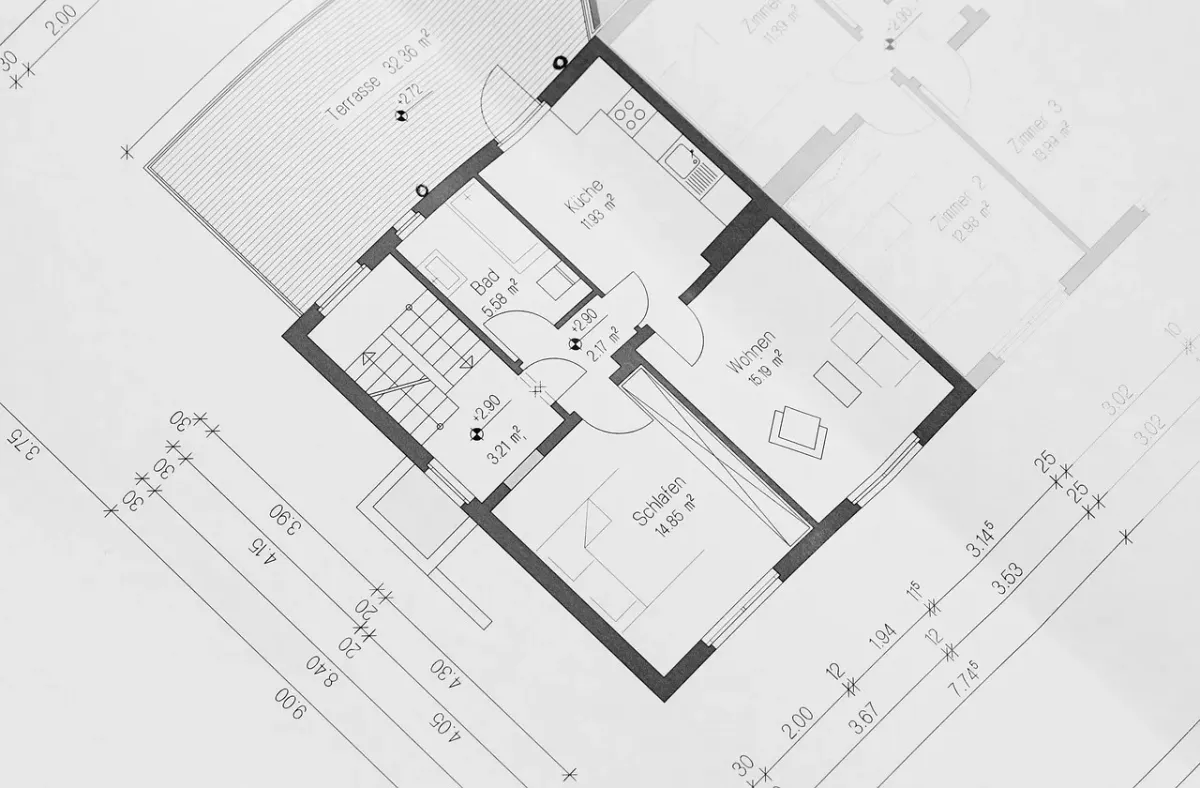
Never rely solely on visual walk-throughs; cross-reference layout spaces against official Cadastral Building Survey Maps:
- Verify Whether Shear Walls and Columns Were Illegally Removed: Some previous owners remove 20-centimeter thick reinforced concrete shear walls to create open living rooms. Comparing survey maps against current layouts prevents buying compromised structures prone to brittle collapse during earthquakes.
- Inspect Whether Balconies Were Knocked Out: Trace exterior balcony lines; if living room floors extend directly to outer aluminum window tracks, walls were removed. This constitutes unpermitted construction, and junction seams suffer an 80% water leakage rate during sustained downpours.
- Confirm Common Basement Air Raid Shelters Are Not Squatted: Apartment basements are deeded as shared air raid shelters. If first-floor owners lock iron gates for private storage or rental suites, they unlawfully occupy public common property, subject to court-ordered removal.
4. 3 Golden Ironclad Rules for Used House Purchase Contracts
- Deposit All Purchase Funds into Escrow Guarantee Accounts:
- Never wire contract signing deposits (10%), document preparation funds (10%), or tax completion payments (10%) directly to sellers' personal accounts.
- Funds must flow through construction management escrow trust accounts at reputable banks (e.g., First Commercial Bank or Taishin Bank). Funds are disbursed to sellers only on final handover day after title transfers and mortgage clearances, eliminating fraud risks.
- Require Scriveners to Obtain Payoff Letters and Discharge Mortgages:
- If a seller owes 800 Wan (8 million TWD) on an existing mortgage, final payments must be wired directly to the seller's lending bank to clear the debt. Confirming receipt of mortgage discharge consent forms before scriveners cancel encumbrances at the Land Office guarantees clean title.
- Include Loan Contingency Clauses in Special Contract Terms:
- Bank appraisals often deviate from purchase prices. Insert this protective clause: This purchase agreement is contingent upon the buyer obtaining bank financing of at least 80% (8 成) of the purchase price; if loan approval falls short due to reasons not attributable to the buyer's credit, this contract shall be terminated unconditionally, and the seller shall refund all deposits without interest within 3 days.
5. Property Title Investigation FAQ
Q1: Does the main building area on the transcript equal the usable interior pings claimed by agents?
They are completely different. Real estate agents often combine main building area with accessory buildings (balconies, flower beds, rain covers) as indoor area. However, balconies cannot function as living rooms, and older rain covers represent unlivable phantom space. True indoor living area equals only the main building area on the transcript. Dividing total price by main building pings reveals true cost performance.
Q2: Can I buy a property if its encumbrance section lists a natural person individual name mortgage?
Yes, but proceed with extreme caution. This indicates the owner borrowed from personal acquaintances, pawnshops, or private lenders using the property as collateral. While desperate owners allow attractive discounts of 85% to 90% (85 折至 9 折) of market value, closing procedures must be handled by the buyer's trusted scrivener under escrow supervision to pay off private debt and clear liens before funds release.
Q3: What does an Advance Notice Caution Registration mean in the Ownership Section? Can I sign contracts?
Never sign contracts under caution registrations. Advance registrations preserve statutory claims for obligees (creditors, financial benefactors, or spouses), legally restricting property disposal. Until the registered obligee provides written consent and cancels the entry at the Land Office, land authorities are legally prohibited from registering property transfers. Paying deposits risks losing your money without securing title.
Q4: What are public facility ratios? Why do walk-up apartments without elevators still list common areas?
Apartment common areas are classified as minor common space, covering daily shared stairwells, entry halls, basement air raid shelters, and rooftop water tank access. Older apartments historically merged stairwells into main building figures. Modernized deed surveys separate stairwells into shared portions, generally accounting for 5% to 12% of total area, far below modern high-rise elevator buildings with ratios of 33% to 38%.
Related reading: Older Building Inspection: 10 Essential Safety Checks · Used House Electrical and Plumbing Self-Inspection Guide

