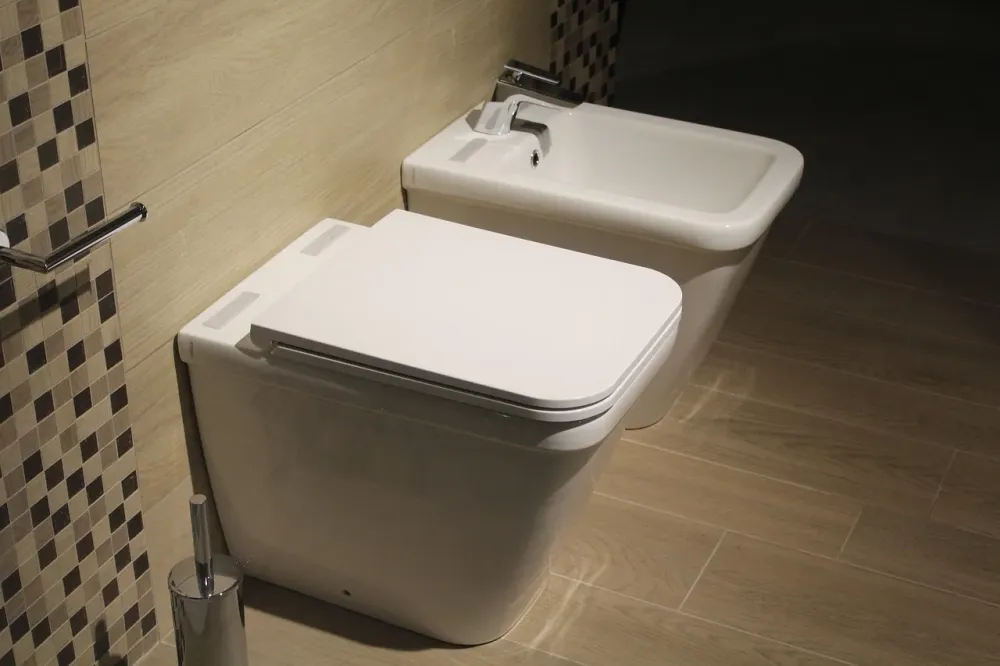
Toilet blockage is a common trouble in home life, which may be caused by toilet paper, foreign objects or aging pipes. This article will introduce three simple and effective unclogging methods and share tips on preventing clogging, allowing you to quickly solve the problem and resume normal use.
Common causes of clogged toilets
- Too much toilet paper: Throwing too much toilet paper at once can easily cause blockage.
- Falling of foreign objects: For example, sanitary products, toys, etc. accidentally fell into the toilet and blocked the pipes.
- Aging pipes: Dirt accumulates on the inner walls of old pipes, reducing drainage efficiency.
- Overflowing septic tanks: Septic tanks that are not cleaned regularly can lead to poor drainage.
Three ways to clear the water
- Use a toilet suction cup
Choose a suitable toilet suction cup and make sure the suction cup completely covers the toilet drain. Add an appropriate amount of water and quickly press the suction cup up and down to use the pressure to clear the pipe. Operate 10-15 times each time to check whether drainage is restored.
- Hot water and dishwashing liquid
Pour a basin of hot water (about 60°C, to avoid overheating and damaging the toilet) into the toilet, add a small amount of dishwashing liquid, and let it sit for 10 minutes. Dish soap will break down grease, hot water will soften the clog, then flush to test.
- Baking Soda and White Vinegar
Pour half a cup of baking soda into the toilet bowl, then add half a cup of white vinegar and let it sit for 15-20 minutes. A chemical reaction breaks down the organic blockage, which can then be flushed with hot water to restore drainage.
Recommendations for preventing clogging
- Reduce toilet paper usage: Use the right amount of toilet paper each time and avoid throwing in too much at once.
- Avoid discarding foreign objects: Do not throw tampons, paper towels, or other items down the toilet.
- Clean your pipes regularly: Use pipe unclogger every 6 months to keep drainage clear.
- Septic tank inspection: Check your septic tank annually to see if it needs cleaning and to make sure the system is functioning properly.
When to seek professional assistance?
If you still cannot clear the pipe after several attempts, or if you suspect that the pipe is seriously blocked, it is recommended to contact a professional plumber technician. They can use professional tools to solve problems quickly and avoid damaging the pipes.
Conclusion
Although clogged toilets are annoying, most problems can be solved by yourself with simple tools and methods. Developing good usage habits and regular maintenance can effectively reduce clogging problems. Try these tips to get your toilet flowing again today!
🇹🇼 Expat Living Note: Home Repairs in Taiwan
If you are an international resident renting an apartment in Taipei, New Taipei, or anywhere in Taiwan:
- Voltage & Electrical Safety: Taiwan standard household voltage is 110V (60Hz). Do not plug 220V imported European/UK appliances directly without a certified step-up transformer.
- Plumbing Terminology: Local plumbers are called 水電 (Shuǐdiàn) and handle both water and electrical repairs.
- Landlord Obligations: Under Article 429 of Taiwan Civil Code, landlords are legally responsible for repairing natural wear and tear (such as hidden wall pipe leaks, water heater faults, or booster pump failures) unless explicitly waived in your lease.
Legal Disclaimer
The information provided on this website is for general educational and reference purposes only. For hazardous repairs involving live 220V electrical circuits, main gas lines, or structural wall drilling, always consult certified, licensed technicians. SOSfix disclaims any liability for personal injury or property damage resulting from DIY repair attempts.