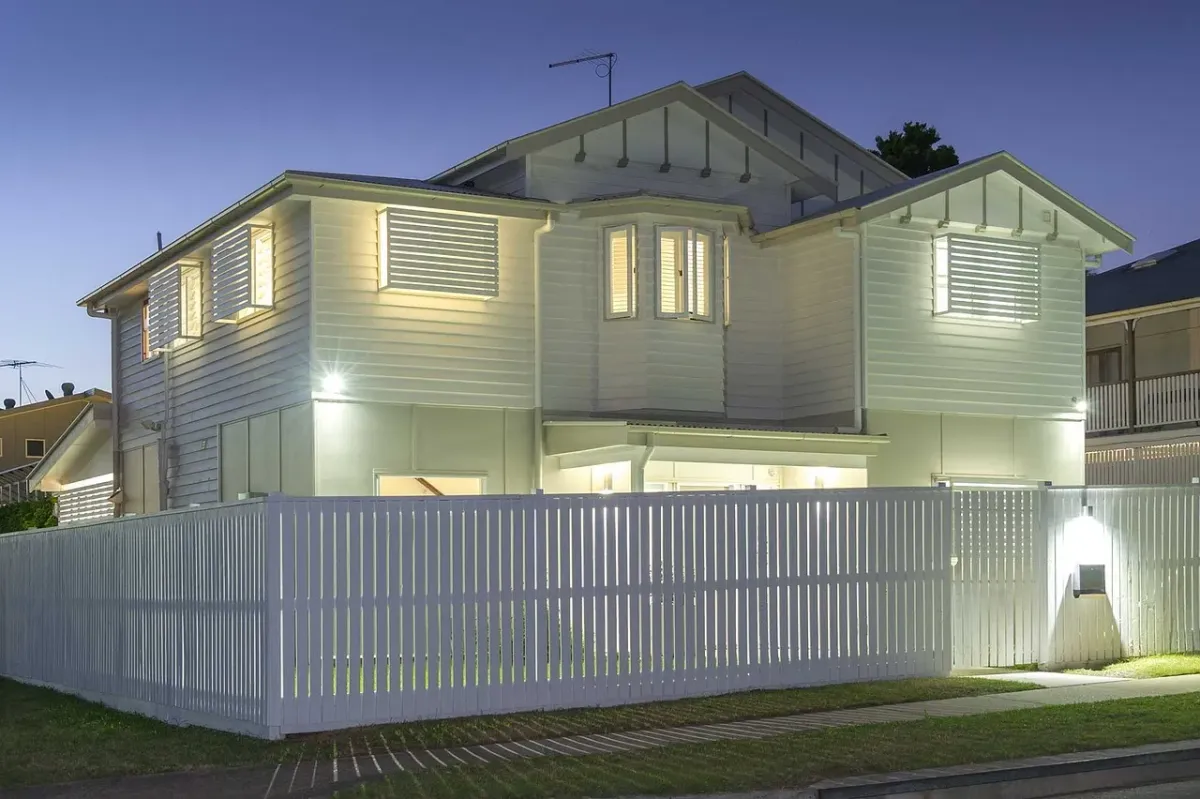
Does your insurance really cover the losses caused by the typhoon?
Every year after typhoons, many homeowners in Taipei and New Taipei feel heartbroken when they look at the soaked wooden floors, moldy decorations and damaged home appliances. At this time, many people thought: "I have residential fire insurance. I should be able to apply for a claim, right?" Then they took out the policy and took a look, only to find that things are not that simple.
In Taiwan, banks will require residential fire insurance (basic insurance) when buying a house and applying for a mortgage. However, basic residential fire insurance coverage mainly covers accidents such as "fire, explosion, and lightning strikes". Losses caused by typhoons, earthquakes, and floods are usually not covered by the basic insurance. To be compensated for typhoon losses, you need to purchase additional insurance "Typhoon and Flood Compensation Supplementary Insurance".
Basic Residential Fire Insurance vs. Typhoon Flood Additional Insurance
| Insurance Type |
Main coverage |
Typhoon related losses |
| Residential fire insurance (basic insurance) |
Loss of buildings and movable property caused by fire, explosion, lightning strike |
No compensation (unless the typhoon causes fire or explosion) |
| Typhoon and flood disaster compensation additional insurance |
Loss of buildings and movable property caused by typhoon strong winds, heavy rain, and floods |
Compensated (within the insured amount, after deducting the deductible) |
| Earthquake Basic Insurance |
Losses caused by earthquakes, tsunamis, and volcanic eruptions |
No compensation (earthquake insurance only covers earthquakes) |
What exactly does the typhoon flood additional insurance cover?
The terms and details of each insurance company are slightly different, but generally speaking, the scope of claims for typhoon and flood additional insurance includes:
- Damage to the building body: The strong winds of the typhoon broke the door and window glass, the roof was lifted, and the exterior walls were damaged, etc.
- Indoor damage caused by rain/flood intrusion: Wooden floors are soaked in water and deformed, wall decorations are damaged, ceilings collapse, etc.
- Loss of personal property: Furniture and home appliances (refrigerators, washing machines, TVs, etc.) were damaged by water or rain
- Cleaning costs: Costs of sludge removal, disinfection and cleaning after flooding
It should be noted that most policies have a "deductible", usually NT$10,000 to NT$20,000. In other words, the part of the loss that is lower than the deductible must be absorbed by yourself, and the excess part will be compensated by the insurance company.
Common claims denial situations
In the following situations, even if you have typhoon and flood additional insurance, the insurance company may refuse to pay the claim:
- Preventable losses:For example, if the windows are obviously old and broken but are not repaired, or rainwater pours in during a typhoon - the insurance company may claim that you failed to fulfill your duty of care as a "good manager".
- Car damage caused by flooding in basement parking lots: Residential fire insurance usually only covers buildings and "indoor" personal property, not cars parked in basements. Typhoon damage to your car depends on your car insurance (natural disaster clause of car insurance).
- Pure wall cancer and mold: Wall cancer and mold are usually classified as "natural aging" or "maintenance issues" and are not "sudden damage" directly caused by typhoons. Unless it can be proven that new leaks were caused by the typhoon.
- Late Filing: Most policies provide for notification to the insurance company within a certain period of time after an accident occurs (usually 5 to 30 days). Failure to apply within the deadline may result in rejection.
Correct steps and evidence-producing techniques for claiming claims
- Take pictures early to save evidence: Before doing any cleanup, use your mobile phone to take photos and videos of the damage scene from multiple angles. When taking photos, be sure to include a full view (you can see which room it is) and a close-up (you can see the extent of the damage). If there is a submerged water level, take a clear picture of it.
- Notify your insurance company: Call your insurance company to report the claim and obtain a claim case number. The sooner you give notice, the better.
- Keep damaged items: Try not to throw away damaged items until the insurance company sends someone to inspect them. If cleanup is necessary (e.g. appliances soaked in water pose a risk of electrocution), at least keep photos and proof of purchase.
- Prepare documents: A claim application usually requires a copy of the policy, a copy of the ID card, a damage list (listing the name of each damaged item and the purchase price), photos, and a repair estimate or invoice.
- Cooperation with damage investigation: The insurance company will send claims adjusters or entrust a notary company to the site to investigate the damage. At that time, please describe the damage truthfully and do not exaggerate or conceal it.
Is typhoon and flood supplemental insurance worth insuring?
Taking a typical home as an example, the annual premium for typhoon flood rider insurance is usually only NT$1,000 to NT$3,000, and the insured amount can be hundreds of thousands or even millions. Considering that Taiwan is threatened by typhoons every year, and that heavy rains have become more frequent in extreme climates in recent years, a serious flooding loss can easily cost hundreds of thousands to hundreds of thousands. It is actually a good deal to spend a few thousand dollars to buy insurance.
Especially those who live on the first floor, in low-lying areas, in old apartments or on the top floors, should seriously consider adding insurance. Insurance cannot prevent typhoons, but it can save you a lot of financial stress after a disaster.
Conclusion: Insurance is not an afterthought
Many people regret it after the disaster. If they had known better, they would have purchased additional typhoon and flood insurance. The value of insurance lies in "you already have it when you need it." If you currently only have the basic residential fire insurance mandated by the bank, it is recommended to call your insurance salesperson and ask how much it will cost to add additional typhoon and flood insurance. It doesn't cost much time and money, but it can help you prevent a lot of losses when you need it most.
🇹🇼 Expat Living Note: Home Repairs in Taiwan
If you are an international resident renting an apartment in Taipei, New Taipei, or anywhere in Taiwan:
- Voltage & Electrical Safety: Taiwan standard household voltage is 110V (60Hz). Do not plug 220V imported European/UK appliances directly without a certified step-up transformer.
- Plumbing Terminology: Local plumbers are called 水電 (Shuǐdiàn) and handle both water and electrical repairs.
- Landlord Obligations: Under Article 429 of Taiwan Civil Code, landlords are legally responsible for repairing natural wear and tear (such as hidden wall pipe leaks, water heater faults, or booster pump failures) unless explicitly waived in your lease.
Legal Disclaimer
The information provided on this website is for general educational and reference purposes only. For hazardous repairs involving live 220V electrical circuits, main gas lines, or structural wall drilling, always consult certified, licensed technicians. SOSfix disclaims any liability for personal injury or property damage resulting from DIY repair attempts.

![[Typhoon Heavy Rain Self-Rescue Guide] Analysis of flood prevention warning lines across Taiwan! How to check the immediate suspension of classes and floods? Disaster Prevention and Evacuation Kit Preparation Checklist and Waterproof Gate Subsidy](/images/interior-2685521_1280.jpg)
![[Water and Electricity Class for Strong Taiwan Defense] Did the water pump burn out due to the typhoon power outage? Complete guide for installing "power-free water pumping valve" and "water-free water pumping motor anti-burn protector" in residential buildings in Greater Taipei](/images/office-820390_1280.webp)