購買特斯拉 Tesla、現代 Hyundai 等純電動車最爽快的體驗,莫過於「每天回家插上充電槍,隔天清晨滿電出發」的極致便利;然而全台灣超過 80% 的電動車主在社區管委會開會時,都曾遭遇「鄰居擔心失火自燃、變壓器跳電超載、地下室洗洞破壞結構」等無情反對與否決!事實上,台電早已推出專門針對集合住宅地下停車場的「專設一戶+EMS智慧電能管理系統」最佳解方,搭配台電「電動車專用時間電價」,深夜離峰每度電僅約 1.8 至 2.1 元,行駛成本只有傳統燃油車的 1/5! The greatest joy of owning pure electric vehicles like Tesla or Hyundai is returning home, plugging in, and waking up to a full charge. Yet over 80% of EV owners in Taiwan face stern HOA opposition over fire risks, transformer overloads, and structural coring in basements. In reality, Taipower offers an optimal solution for multi-family garages: Dedicated EV Meters with Energy Management Systems (EMS). Paired with Taipower's dedicated EV time-of-use electricity rates, midnight off-peak power costs just 1.8 to 2.1 TWD per kWh, reducing operating costs to 1/5 of gasoline vehicles. Understanding cable tray layouts, EMS dynamic load management, and condominium legal rights empowers buildings to implement electrification upgrades smoothly.
Condo EV Charger and Off-Peak Charging Guide
This article is compiled from publicly available online sources for general reference only; readers should independently verify and judge its accuracy, and it is not legal, tax, medical or engineering advice. Rules, fees and subsidies change; check the latest notice from the responsible authority before acting. For electrical, gas, structural or health risks, consult a qualified professional.
This is the English edition of a Chinese article, adapted with AI assistance and checked against the original. Where the two differ, the Chinese version and the official sources it cites prevail.
Condominium Administration Act and EV Charging Legal Framework:
Under Article 10 of the Condominium Administration Act and legislative guidance, co-owners wishing to install charging facilities in their designated private basement parking stalls require management committee consent if routing through common areas. However, committees may not refuse without justifiable cause. When communities adopt compliant Taipower dedicated meters with EMS ensuring electrical safety and sub-metered billing, owners possess legal standing to pursue installation rights through civil courts.
1. 3 Major Building EV Charger Installation Architectures
Installing charging facilities across multi-unit basement parking garages involves three engineering approaches:
| Power Delivery Architecture | Distribution Principles and Routing Paths | Initial Infrastructure Expense | HOA Acceptance and Safety Level |
|---|---|---|---|
| Model A: Individual Line Pull Behind Private Meter | Each owner pulls a dedicated line from their personal 1st-floor/basement meter to their stall | Low (Approx. 30,000 to 60,000 TWD per stall, self-funded) | Very Poor. Cluttered spiderweb cabling; early owners monopolize capacity, sparking disputes |
| Model B: Tapping Common Area Utilities | Draws power from basement public lighting panels, adding sub-meters at stalls | Moderate (Requires panel modifications) | Poor (Small transformer capacity; activating 2 chargers trips building main circuit breakers) |
| Model C: Taipower Dedicated EV Meter + EMS | Taipower provides dedicated high-voltage transformers and master meters with fireproof trays and EMS | High (Initial base cabling costs 300,000 to 800,000 TWD, split among owners) | Optimal. Officially recommended by Taipower, neat layouts, dynamic balancing, increases property value |
2. Core Anti-Tripping Technology of Energy Management Systems (EMS)
Why do management committees readily approve dedicated meters with EMS? The key is intelligent dynamic load control:
- Dynamic Load Balancing: Assume a community contracts for 100 kW of dedicated capacity, where each charger draws 7 kW at full power. When only 5 cars are charging at 8:00 PM, EMS supplies full 7 kW charging. By 11:00 PM when 30 cars plug in simultaneously, EMS throttles power dynamically to 3.3 kW per vehicle without exceeding the 100 kW ceiling.
- Queueing and Peak-Shaving Charging: Drivers can configure mobile apps to ensure full charge by 7:00 AM. EMS schedules charging into midnight off-peak windows from 00:00 to 06:00, protecting transformer temperatures while securing the cheapest off-peak electricity rates.
3. Taipower Dedicated EV Time-of-Use Rates: Fuel Costs at Just 0.4 TWD per Kilometer
Taipower's dedicated EV time-of-use tariffs create substantial pricing differentials between peak and off-peak hours:
- Summer Season (June to September):
- Peak Hours (16:00 to 22:00): Reaches 9.34 TWD per kWh.
- Off-Peak Hours (22:00 to 16:00 next day): Costs just 2.18 TWD per kWh (A 4.3x cost difference).
- Non-Summer Season (October to May):
- Peak Hours (16:00 to 22:00): Approximately 8.82 TWD per kWh.
- Off-Peak Hours (22:00 to 16:00 next day): Drops to just 1.85 TWD per kWh.
- Real-World Operating Cost Comparison:
- Gasoline Vehicles: At 31 TWD per liter and 12 km/L fuel efficiency, fuel costs approximately 2.58 TWD per kilometer.
- EV Off-Peak Charging: At 6 km per kWh and 1.85 TWD per non-summer off-peak kWh, electricity costs just 0.31 TWD per kilometer. Driving 10,000 kilometers saves over 22,000 TWD in fuel.
4. 5 Strategic Communication Tactics to Win HOA Approval for EV Charging
To secure approval from skeptical neighbors at co-owner general assemblies, apply these standardized strategies:
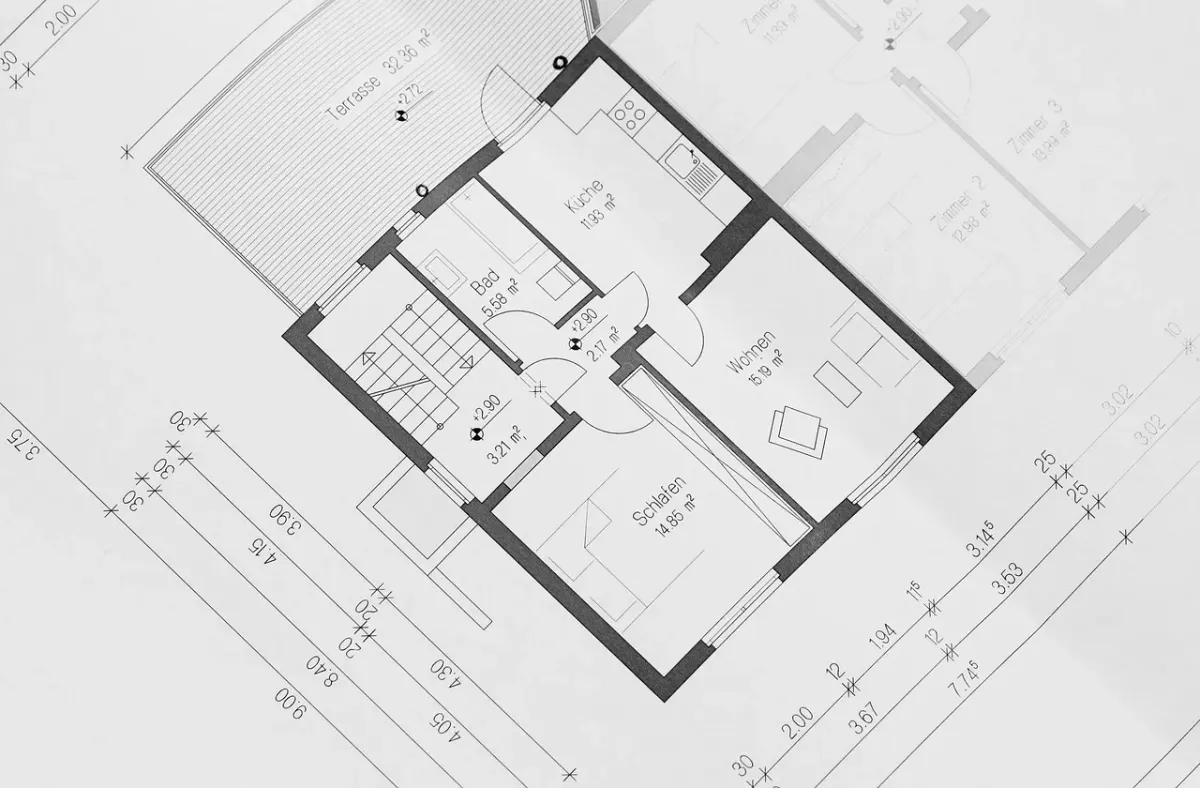
- Request Free Engineering Surveys from Certified Charge Point Operators (CPOs): Engage qualified engineering CPOs to conduct basement site surveys, generating certified electrical blueprints, cable tray routes, and load simulation reports.
- Propose That Beneficiary Owners Self-Fund Infrastructure: Formally commit in assembly proposals that initial trunk cabling and EMS setup costs will be shared among current and future EV stall owners, without spending a single dollar of existing HOA reserve funds, eliminating non-EV owner opposition.
- Highlight Property Value Premiums of EV-Ready Buildings: Present real estate data showing that EV-ready communities receive 40% higher viewing inquiries among younger high-income buyers, achieving 3% to 5% price premiums over non-charging buildings.
- Procure Public Liability and Product Insurance Coverage: Mandate that installers provide multi-million TWD public liability and equipment damage insurance policies, ensuring insurer coverage for any electrical anomalies and easing fire liability fears.
5. Condominium EV Charger FAQ
Q1: How should we address older neighbors terrified that EV batteries will spontaneously explode in basements?
Rely on scientific statistics. Global fire records indicate electric vehicles experience fire rates of roughly 0.025% per 10,000 vehicles, compared to 1.5% for gasoline vehicles (gas cars catch fire 60 times more frequently). Furthermore, residential AC slow charging (220V 32A) operates at household utility levels, protected by 10-fold thermal, overcurrent, and earth-leakage breakers within vehicles and chargers. Communities can also add fire blankets and thermal cameras in garages.
Q2: Can plug-in hybrid electric vehicles (PHEV) use community charging stations?
Yes. Mainstream home chargers adhere to national standard J1772 (Type 1) or next-generation Type 2 / CCS2 connectors. Both pure electric vehicles (BEV) and plug-in hybrids (PHEV) share full plug compatibility, with automated sub-meters tracking exact power consumed per stall.
Q3: If I am the sole EV owner in a new building, can I afford dedicated meter infrastructure alone?
Many Charge Point Operators (CPOs) offer zero-capex leasing or concession models where the operator funds the 300,000 to 500,000 TWD basement trunk infrastructure. The pioneer owner pays only personal charger equipment and drop-line wiring (approx. 30,000 to 50,000 TWD); the operator recoups capital investments via a minor per-kWh management fee, lowering adoption barriers.
Q4: Can mechanical parking spaces be wired with charging facilities?
Technically yes, though engineering costs and complexity are higher. Because mechanical pallets lift vertically or slide laterally, power cables must be housed within high-tensile articulated drag chains (energy chains) to prevent chafing in mechanical gears. Professional charging teams and mechanical lift maintenance vendors must conduct joint engineering evaluations.
Related reading: Community EV Charging Pile Dedicated Meter and EMS Guide · Is Taipower Time-of-Use Rate Right for Homes: 3 Factors