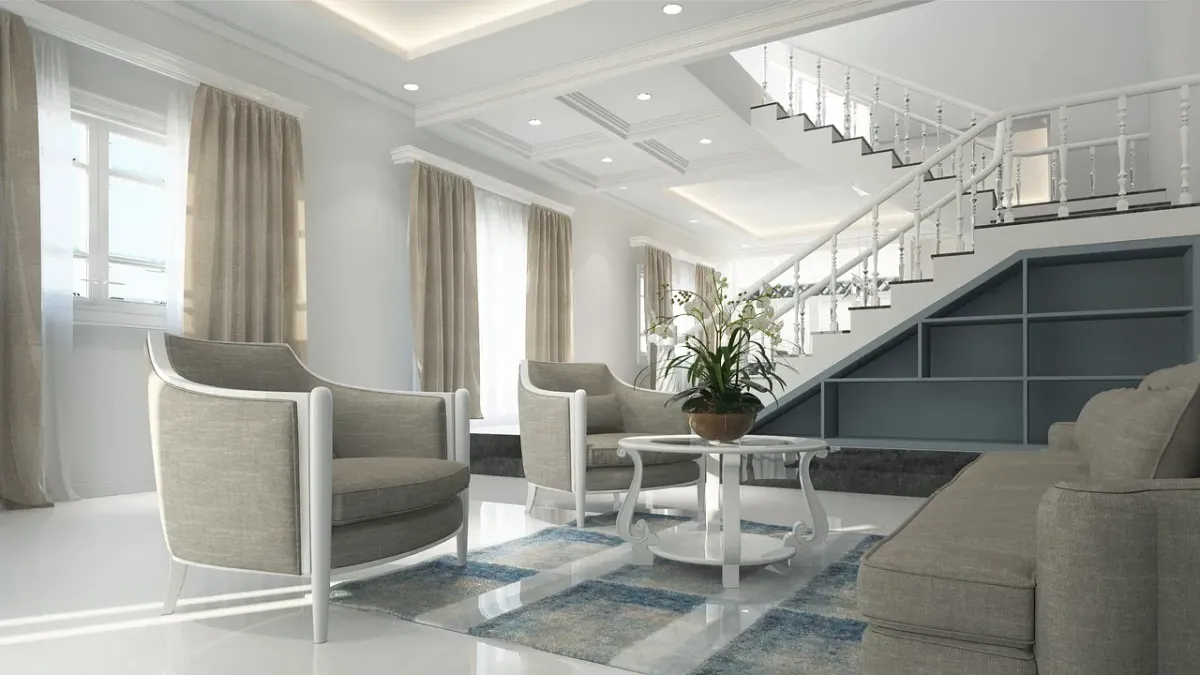
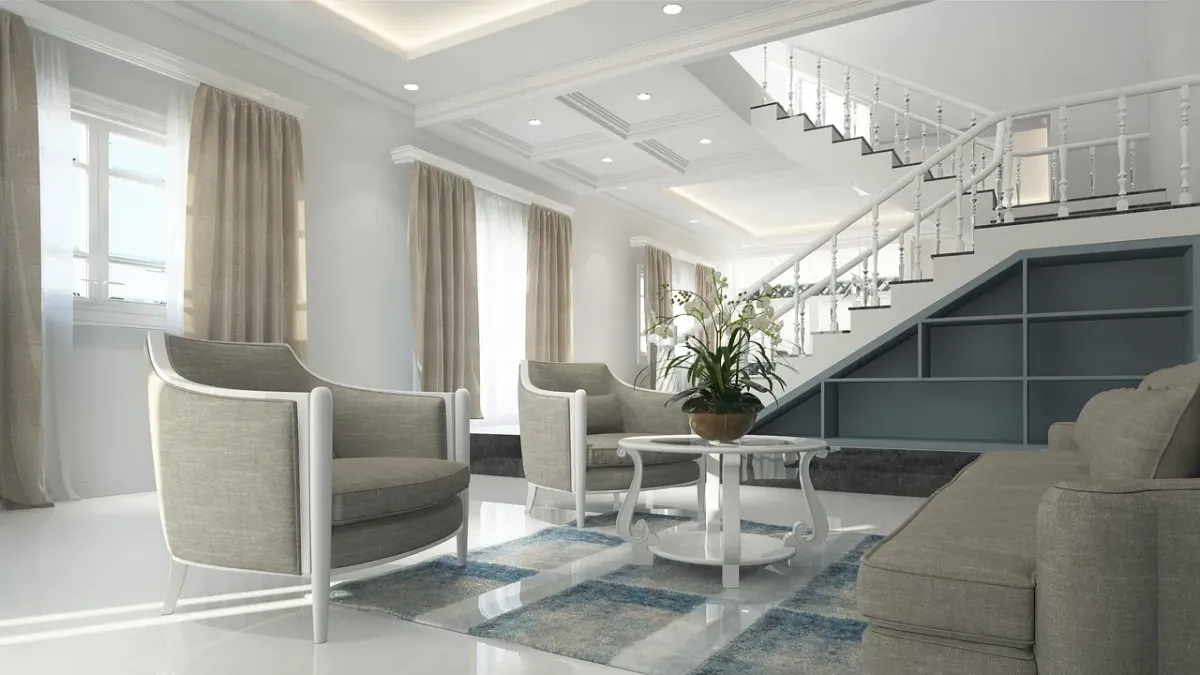
Smart homes can also be made in old houses!
When it comes to "smart home", what comes to many people's minds is a new project full of technology and a complex system that requires embedded pipelines. This makes people living in Taipei’s rich cultural neighborhoods and old houses full of life feel that smart life is far away from them. In fact, thanks to wireless technology and product modularization, it is no longer necessary to carry out extensive construction work and knock on walls when upgrading old houses intelligently.
For old houses, smart upgrades have three major benefits: The first is "safety", such as real-time water leakage detection, power consumption monitoring and remote power outage; The second is "energy saving", intelligent control of air conditioners, lights and water heaters, which can effectively reduce the high electricity bills in the two norths; The third is "convenience and comfort", one-click situational and voice control, especially suitable for families with elders or young children. Not to mention, moderate smart upgrades can significantly enhance the market value and attractiveness of old homes.
Step one: Start with "electricity" and painlessly replace smart switches and sockets
Lighting control is the most intuitive entrance to experience smart life. Switches in old houses usually do not have a neutral line (water line), which was a big obstacle to the installation of smart switches in the past. But now there are many "smart wall switches" specially designed for old houses with "single live wire" (no neutral wire) on the market.
Upgrade plan:
- Smart wall switch: Directly replace your original traditional switch panel. Choose a well-known brand (such as Xiaomi, TP-Link's Kasa, Philips Hue, etc.) and confirm that it supports the "single firewire" connection method. When installing, be sure to turn off the main power supply and wire according to the instructions (usually only the live wires and light control wires are connected). After installation, you can use the mobile phone APP to remotely switch, set timings (such as simulating someone at home), or link with other devices.
- Smart Outlet: This is the easiest upgrade! Directly plug the traditional socket into the "smart socket", and then plug the electrical appliances (such as electric fans, dehumidifiers, kettles) into the smart socket. You can use your phone to control the appliance's power switch and monitor power usage. When choosing, pay attention to the size of the socket and do not block the adjacent jack.
Benefits: Are you worried about forgetting to turn off the lights when you are not at home? Close the remote end with one click. The night lights in the corridor can be set to automatically light up at night to prevent elders from falling down after getting up at night. Monitor high-power-consuming appliances and find power-eating monsters.
Step 2: Protect the "water" safety of your home and install wireless leakage and flood sensors
The water pipes in old houses are at high risk. Once water leaks, it may cause huge losses to the decoration, floors and even the neighbors downstairs. Real-time detection is the key to stopping losses.
Upgrade plan: Purchase several "wireless water leak sensors". The sensors are small, usually battery powered and require no wiring. Place it in risk areas: like under the water heater, next to the washing machine, inside the kitchen sink cabinet, on the bathroom floor, or anywhere water has leaked.
How it works:When the probe at the bottom of the sensor detects water, it will immediately send an alert to your mobile APP through a wireless network (such as Wi-Fi or Zigbee). Higher-end systems can be linked to "automatic water shut-off valves" to automatically shut off the main water source when water leakage is detected to minimize damage.
Benefits: Get instant water leak alerts, even when you're not home. For homeowners who rent out their homes, it is an essential asset protection tool.
Step 3: Make old home appliances smart, make air conditioners, curtains and door locks smart
You don’t need to replace all old home appliances, just add a “smart brain”.
Upgrade plan:
- Air conditioning/air conditioning: Use "smart air conditioning controller" (such as Xiaomi universal remote control, Guanghuan Technology and other products). It learns the infrared signal from your original air conditioner remote control and then connects to the Internet through Wi-Fi. From now on, you can use your mobile phone to make an appointment to turn on the air conditioner half an hour before get off work, so that you can feel cool as soon as you enter your home.
- Curtains: Install "smart curtain motors". There are two main forms: one is to replace the entire curtain track and motor; the other is "track-type" motor, which can be installed directly on the original U-shaped or I-shaped track. Set it to automatically open the curtains in the morning, or link it with a smart switch to turn off the lights and close the curtains simultaneously when you say "good night."
- Door lock: Replaced with a "smart electronic lock". This is one of the devices that best enhances safety and convenience. Choose models with multiple unlocking methods such as fingerprints, passwords, cards and traditional keys. No more worrying about forgetting your keys, you can also generate a one-time password for cleaning staff or visitors.
Step 4: Establish a hub and automation to let devices talk to each other
Making a single device smart is only the first step. Real convenience comes from "automation" and "situation linkage".
Core concept: You need a "smart home hub" to uniformly manage devices of different brands. Common hubs include: Apple’s HomePod (supports HomeKit), Google Nest Hub, or Samsung SmartThings Hub. You can also use devices with built-in hub functions, such as Xiaomi multi-function gateway.
Situation example:
- "I'm going out" situation: Triggered by one button (or voice), turn off all lights, turn off air conditioning, close curtains, and activate alarm mode (if cameras or sensors are installed).
- "Good night" scenario: Turn off the lights in the living room, turn on the night light in the bedroom, close the curtains, and set the air conditioner to sleep mode.
- Safety linkage: When the water leakage sensor is triggered, in addition to sending a mobile phone notification, the power of the washing machine on the smart socket is also turned off.
Notes and budget planning for smart upgrading of old houses
1. Network is the foundation:Make sure the Wi-Fi signal in your home can stably cover every corner. For signal dead spots, consider purchasing a Mesh router system.
2. Electrical load: Most smart devices consume low power, but if a large number of smart sockets are used to control high-power appliances (such as electric heaters), attention must be paid to the total load of the circuit to avoid overloading.
3. Installation difficulty: The installation of smart switches and electronic locks involves basic knowledge of water and electricity. If you are not familiar with it, it is strongly recommended to ask the original factory or an experienced master to install it. The cost is usually reasonable. Plug-and-play products such as smart sockets and sensors can be installed by yourself.
4. Budget planning: Smartization can be carried out in stages and does not need to be done all at once.
Phase 1 (basic safety and convenience, about NT$5,000 - 10,000): 1-2 smart switches + several water leakage sensors + 1 smart socket.
Phase 2 (comfort upgrade, about NT$10,000 - 20,000): Smart air conditioning controller + smart curtain motor (one window).
The third stage (advanced integration, about NT$15,000 and above): Smart electronic lock + smart center + camera.
Intelligence is not to show off skills, but to make the "home" serve its residents more thoughtfully. For old houses in Taipei, this is a gentle technological empowerment, allowing the space full of memories to have the comfort and calmness to face future life. Starting with a small smart switch, you will find that the smart life in the old house is closer and warmer than you imagined.
🇹🇼 Expat Living Note: Home Repairs in Taiwan
If you are an international resident renting an apartment in Taipei, New Taipei, or anywhere in Taiwan:
- Voltage & Electrical Safety: Taiwan standard household voltage is 110V (60Hz). Do not plug 220V imported European/UK appliances directly without a certified step-up transformer.
- Plumbing Terminology: Local plumbers are called 水電 (Shuǐdiàn) and handle both water and electrical repairs.
- Landlord Obligations: Under Article 429 of Taiwan Civil Code, landlords are legally responsible for repairing natural wear and tear (such as hidden wall pipe leaks, water heater faults, or booster pump failures) unless explicitly waived in your lease.
Legal Disclaimer
The information provided on this website is for general educational and reference purposes only. For hazardous repairs involving live 220V electrical circuits, main gas lines, or structural wall drilling, always consult certified, licensed technicians. SOSfix disclaims any liability for personal injury or property damage resulting from DIY repair attempts.