

🇹🇼 Looking for the Chinese version of this article?切換至繁體中文版 →
Taiwan's Four Seasons Home Plumbing and Electricity Maintenance Calendar: Inspections and maintenance in accordance with the seasons can save a lot of maintenance costs
Taiwan's climate has obvious seasonal changes. The humid plum rains, hot summers, dry autumns, and wet and cold winters not only affect people's physical senses, but also silently test every water and electricity equipment and pipeline in the home. Knowing how to perform simple inspections and maintenance in accordance with the seasons can often prevent small problems from turning into big troubles that require a lot of money to hire a master to come to your home. The directors-general of many community buildings have discovered that every time the seasons change, the frequency of residents reporting water and electricity problems increases significantly. In fact, most of them can be avoided through preventive measures.
Spring is the outpost of the rainy season, and high humidity is an appliance killer. The key tasks at this time are "moisture prevention" and "drainage inspection". First, check that dehumidifiers are functioning properly throughout the home, especially in rooms used to protect valuables or documents. Next, go to the balcony and the top floor and thoroughly clean the fallen leaves and sludge on the drainage hole cover to ensure smooth flow. This is a key action to prevent water from accumulating on the balcony or even pouring back into the living room due to insufficient drainage due to a sudden heavy rain. At the same time, check whether the silicone caulking agent on the windows in your home is aging, peeling or cracked, especially the windows on the windward side. Re-filling it before the rainy season can effectively prevent rainwater from penetrating into the wall and causing wall cancer.
Summer is the peak period for electricity and air-conditioning consumption, and safety and efficiency are two major themes. First, check in person or ask a technician to help check whether the brackets of the "air-conditioning outdoor unit" are rusty and loose (especially old machines that have been installed for many years), and clean the filter of the indoor unit and the radiating fins of the outdoor unit. This can make the air-conditioning more energy-saving and cooler. Second, conduct an "electrical safety check": touch the extension cords and transformers in use at home. If they feel abnormally hot, replace them immediately; make sure there is good heat dissipation space around the appliances and do not accumulate debris. Third, observe the water use situation. If you find that the water output from the faucet has become smaller, it may be that the water consumption is large in summer and the sediments in the water tower are washed down, causing the end of the pipe to be blocked. You can try to remove the bubbler and clean it.
The crisp autumn air is the most suitable time to carry out annual key maintenance. The first priority is "safety inspection of water heaters and gas lines." Check whether the gas rubber pipe has not been replaced for more than two years, whether there are cracks and hardening, and immediately replace it with a metal-coated pipe with the mark of the Standards Inspection Bureau. Test whether the flameout safety device of the water heater is normal (turn off the gas after ignition, and the flame should extinguish automatically). Next, check the "roof and exterior walls": after a summer of scorching sun and typhoon season, check for new cracks or damage to the waterproofing layer. Finally, test whether all the "leakage circuit breakers" in your home are functioning properly (pressing the test button should trip it). This is the gatekeeper of life safety.
The cold snap in winter is a prime time for water pipe and water heater failures. Remember to install "insulation covers" on exposed faucets and water pipes (such as on the top floor and balcony) to prevent cold snaps from freezing and cracking water pipes. If you plan to be away for an extended period of time, close the main water valve and drain the water from the lines. In winter, the demand for hot water is high. Pay attention to the combustion status of the water heater and whether the outlet water temperature is stable. If the ignition is not smooth or the water temperature is insufficient, the parts may be aging and need to be repaired. In addition, when bathing takes a long time in winter, it becomes particularly obvious whether the bathroom drainage is smooth or not. You can pour special detergent into the drain pipe to prevent hair accumulation.
Develop the habit of inspecting your home seasonally. It may only take you an hour each time, but it can greatly reduce the chance and cost of emergency calls for 24-hour repairs. Posting this calendar on your note board at home and working with your family is the most practical way to keep your home safe.
🇹🇼 Expat Living Note: Home Repairs in Taiwan
If you are an international resident renting an apartment in Taipei, New Taipei, or anywhere in Taiwan:
- Voltage & Electrical Safety: Taiwan standard household voltage is 110V (60Hz). Do not plug 220V imported European/UK appliances directly without a certified step-up transformer.
- Plumbing Terminology: Local plumbers are called 水電 (Shuǐdiàn) and handle both water and electrical repairs.
- Landlord Obligations: Under Article 429 of Taiwan Civil Code, landlords are legally responsible for repairing natural wear and tear (such as hidden wall pipe leaks, water heater faults, or booster pump failures) unless explicitly waived in your lease.
Recommended English Guides
Are there off-peak and peak seasons for water and electricity repairs? Master timing and budget planning to save 10–20% on maintenance costs a year

Shuangbei Residential Water and Electricity Maintenance Calendar for Four Seasons: Do one thing right according to the seasons, and your home appliances will have a long life and be easy to use.
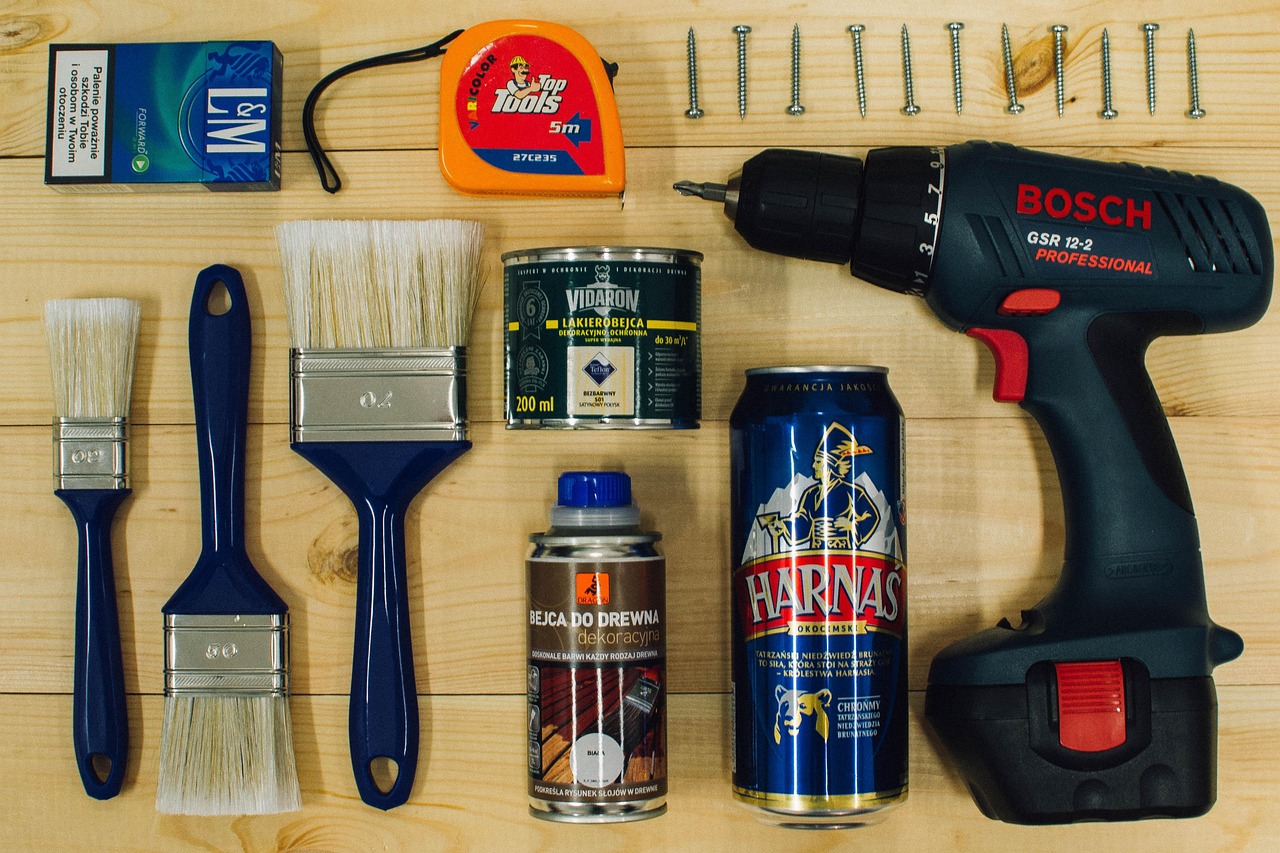
Home Plumbing and Electricity Repair Toolbox: Recommended by the Master! These 8 basic tools allow you to DIY at home in Taipei without asking for help