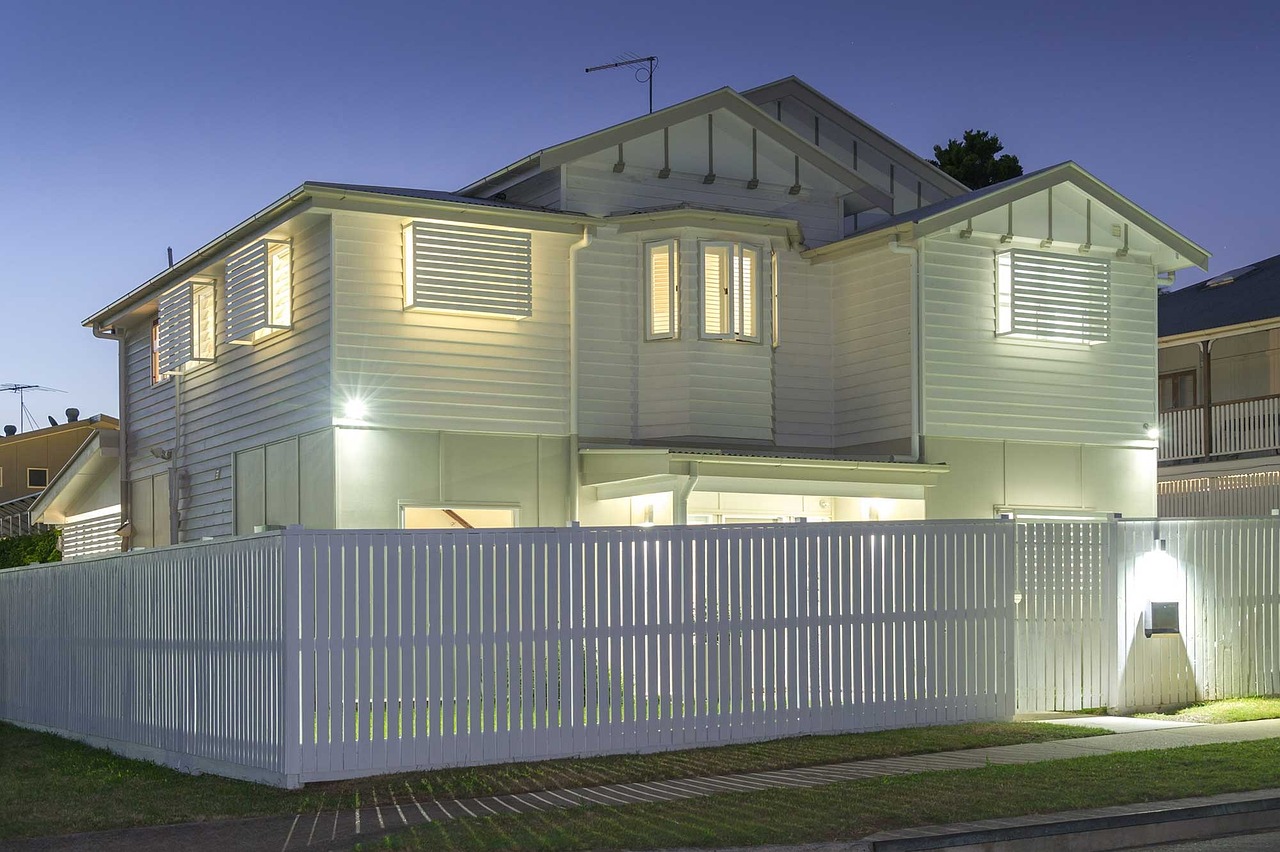
Following power grid trips or typhoon blackouts, cheers erupt as neighborhood lights flicker back on after hours of darkness. Yet the instant power restores is the most perilous moment for sensitive home appliances! Power restoration carries transient voltage surges spanning hundreds or thousands of volts, frying microprocessors. This guide explains how to protect appliances.
Looking for the Chinese version of this article?切換至繁體中文版 →
Power Restoration Appliance Safety Inspection Guide

This article is compiled from publicly available online sources for general reference only; readers should independently verify and judge its accuracy, and it is not legal, tax, medical or engineering advice. Rules, fees and subsidies change; check the latest notice from the responsible authority before acting. For electrical, gas, structural or health risks, consult a qualified professional.
This is the English edition of a Chinese article, adapted with AI assistance and checked against the original. Where the two differ, the Chinese version and the official sources it cites prevail.
Immediate Actions During an Outage: Unplugging Heavy and Smart Loads
During the first minutes of a power failure, execute 3 defensive actions:
- Switching off compressor loads: Turn off AC units, space heaters, microwaves, and water heaters to avoid inrush current surges that trip neighborhood substations.
- Unplugging sensitive electronics: Pull plugs for desktop PCs, televisions, audio rigs, and NAS units to insulate them from line noise pulses upon grid restoration.
- Leaving one fixture switch ON: Keep a single foyer lamp switch active as a visual notification signal that grid power has returned.
Sequential Restoration: Wait 5-10 Minutes Before Booting Devices
When electricity restores, line voltage and frequencies fluctuate wildly; follow 3 steps:
- Step 1 (Check light stability): Wait 5 to 10 minutes post-restoration, observing the foyer lamp for flickering, verifying grid stability.
- Step 2 (Power refrigeration and networking): Plug in refrigerators, listening for smooth compressor humming; then power on Wi-Fi routers.
- Step 3 (Sequencing heavy loads): Turn on air conditioners and dehumidifiers spaced 3 to 5 minutes apart, avoiding starting all loads simultaneously. Diagnose breaker issues via our power outage assistant.
Compressor Protection: Never Force Instantaneous Restarts
Compressors circulate pressurized refrigerant during operation. If a brief glitch cuts power and restores it within seconds, high refrigerant head pressure prevents motors from turning, causing humming and drawing extreme locked-rotor amperage that burns starter capacitors. Unplug refrigerators and ACs for 10 minutes to allow pressures to equalize before restarting.
Breaker Panel Safety: Never Force Tripped Switches
If a no-fuse breaker (NFB, 無熔絲開關) trips to the Trip position, reset it firmly down to OFF, then up to ON. If resetting triggers blue sparks and snaps back instantly, or the panel box smells of scorched plastic, a dead short exists; never tape breakers ON. Keep power disconnected and call licensed electricians. Review our electrical safety category.
| Outage and Restoration Stage | Common Fatal Hazardous Mistake | Standard Safe Operating Procedure | Protection Objective Achieved |
|---|---|---|---|
| Moment of Blackout Failure | Leaving heavy appliances switched ON | Turn off AC, unplug computers and TVs | Prevent inrush current blowing PCB boards |
| Instant Power Restores | Powering on all appliances simultaneously | Wait 5-10 minutes until voltage stabilizes | Shield electronics from grid voltage surges |
| Immediate Power Glitch Cycle | Letting compressors hum without turning | Unplug units for 10 minutes for head pressure | Prevent locked rotors from burning motor coils |
| Breaker Trips Repeatedly | Taping breaker switch toggle firmly ON | Leave OFF, unplug loads, book electrician | Eliminate electrical fire and explosion hazards |
Frequently Asked Questions
Can surge-protected power strips reliably absorb power restoration spikes?
Certified surge strips incorporate metal oxide varistors (MOVs) absorbing several hundred joules of transient spikes, providing basic defense; however, MOVs degrade with each surge. For valuable rigs, installing online uninterruptible power supplies (UPS) or whole-house surge protective devices (SPD) offers superior defense.
How long does food stay safe in an unopened refrigerator during a blackout?
Provided doors remain sealed, refrigerators maintain food-safe chill for 4 to 6 hours; fully stocked freezers hold frozen temperatures for up to 48 hours (24 hours if half-full). Avoid opening doors out of curiosity to keep cold air trapped.
Why are some home sockets functional while others remain dead after power restoration?
Two reasons: first, that branch circuit's breaker tripped from startup overload; reset it at the panel. Second, utility single-phase 3-wire neutral or leg dropout; if one utility phase fails to feed, half the house receives power while the other half stays dead, requiring utility linemen.
Related reading: Taiwan Pet Feeder and Camera Checklist: Outages, NCC, BSMI · Hot Sockets and Extension Cord Safety Guide · Smart Home Black Friday Electrical Inspection Guide · Home Flooding Power Restoration and Panel Inspection Guide