Drainage pipes are an important part of the water system in your home, responsible for removing wastewater from kitchens, bathrooms and other areas. Neglected maintenance may result in clogs, odors, or pipe damage. This article will introduce how to maintain drain pipes, deal with common problems and preventive tips to help you maintain a smooth drainage system.
Why do we need to maintain drain pipes?
Long-term use of drain pipes will accumulate grease, food residues or hair, resulting in sluggish water flow or odor. Regular maintenance can avoid blockages, extend pipe life, and reduce maintenance costs.
Maintenance steps
- Clean pipes regularly
Pour hot water mixed with baking soda and white vinegar into the drain every month, let it sit for 15 minutes and then rinse, which can break down grease and organic matter.
- Install a filter
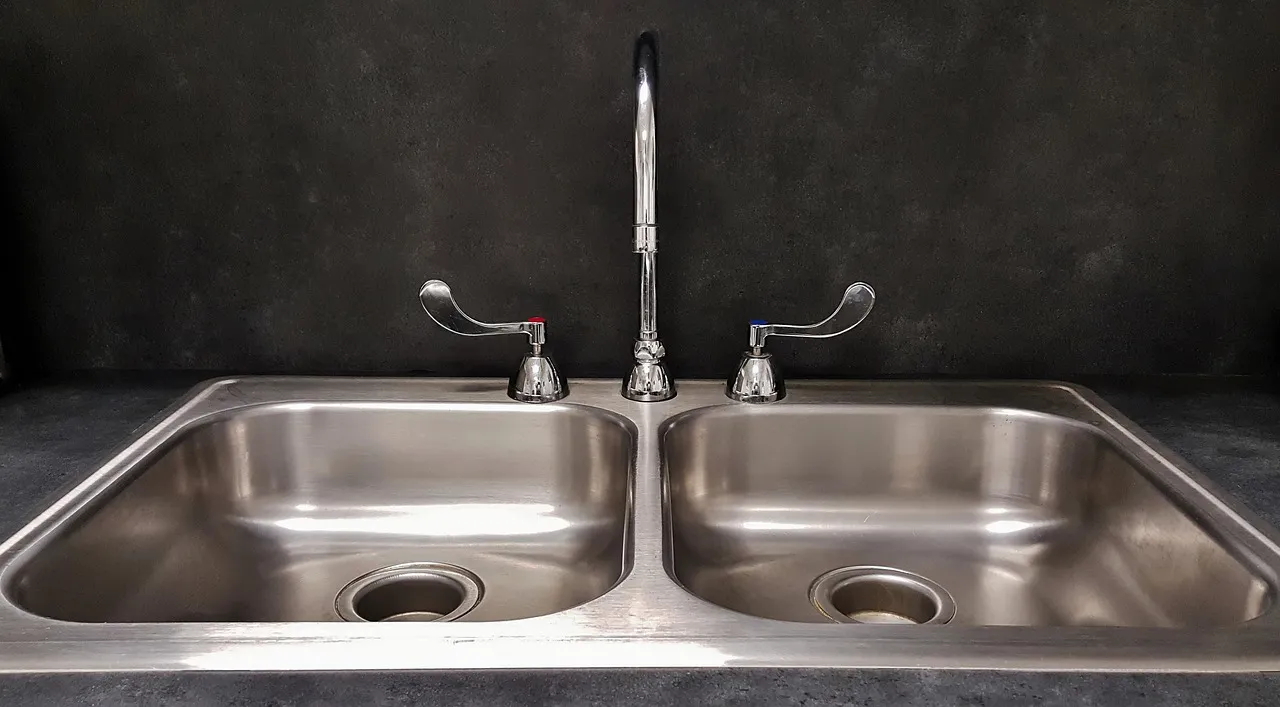
Install a filter on the kitchen sink or bathroom drain to prevent food residue, hair, etc. from entering the pipe. Clean the filter every week to keep drainage clear.
- Check the condition of your pipes
Check your drain pipes every 6 months for leaks or odors. Pay special attention to pipe joints to ensure there are no loose connections or leaks.
- Use a pipe unclogger
Choose a mild pipe unclogger and use it every 3 months to clear minor blockages in your pipes. Avoid excessive use to avoid damaging the pipes.
- Avoid pouring inappropriate substances
Do not pour grease, coffee grounds or large pieces of food residue into the drain, as these substances can easily cause blockage.
Frequently asked questions and solutions
- Slow drainage: Use a toilet suction cup or pipe unclogger to clear the clog. If that doesn't work, the pipe may need to be disassembled and inspected.
- Odor problem: Pour baking soda and hot water to clean, or check whether the U-shaped pipe has accumulated dirt.
- Water leakage: Check whether the pipe joints are loose, use waterproof tape or replace the sealing ring to repair.
Recommendations for preventing clogging
- Build good habits: Rinse the kitchen sink immediately after use to prevent grease from solidifying.
- Regular Septic Tank Inspections: If your home has a septic tank, make sure it is cleaned once a year.
- Install odor-proof devices: Install odor-proof cores in drain outlets to reduce odor problems.
When to seek professional assistance?
If there is a severe blockage or cracks in the pipe, it is recommended to contact a professional plumber technician. They can use high-pressure cleaning equipment or endoscopy to solve problems quickly.
Conclusion
Maintenance of drain pipes is simple but important. Through regular cleaning and good habits, blockage and odor problems can be effectively avoided. Start your drain maintenance plan now to ensure smooth drainage in your home!
🇹🇼 Expat Living Note: Home Repairs in Taiwan
If you are an international resident renting an apartment in Taipei, New Taipei, or anywhere in Taiwan:
- Voltage & Electrical Safety: Taiwan standard household voltage is 110V (60Hz). Do not plug 220V imported European/UK appliances directly without a certified step-up transformer.
- Plumbing Terminology: Local plumbers are called 水電 (Shuǐdiàn) and handle both water and electrical repairs.
- Landlord Obligations: Under Article 429 of Taiwan Civil Code, landlords are legally responsible for repairing natural wear and tear (such as hidden wall pipe leaks, water heater faults, or booster pump failures) unless explicitly waived in your lease.
Legal Disclaimer
The information provided on this website is for general educational and reference purposes only. For hazardous repairs involving live 220V electrical circuits, main gas lines, or structural wall drilling, always consult certified, licensed technicians. SOSfix disclaims any liability for personal injury or property damage resulting from DIY repair attempts.

![[Savior of Sour Air Conditioner Smell] Why does the air conditioner smell like methane after dawn? A complete guide to installing an “anti-odor air block valve” and protecting drain pipes](/images/home-963347_1280.webp)