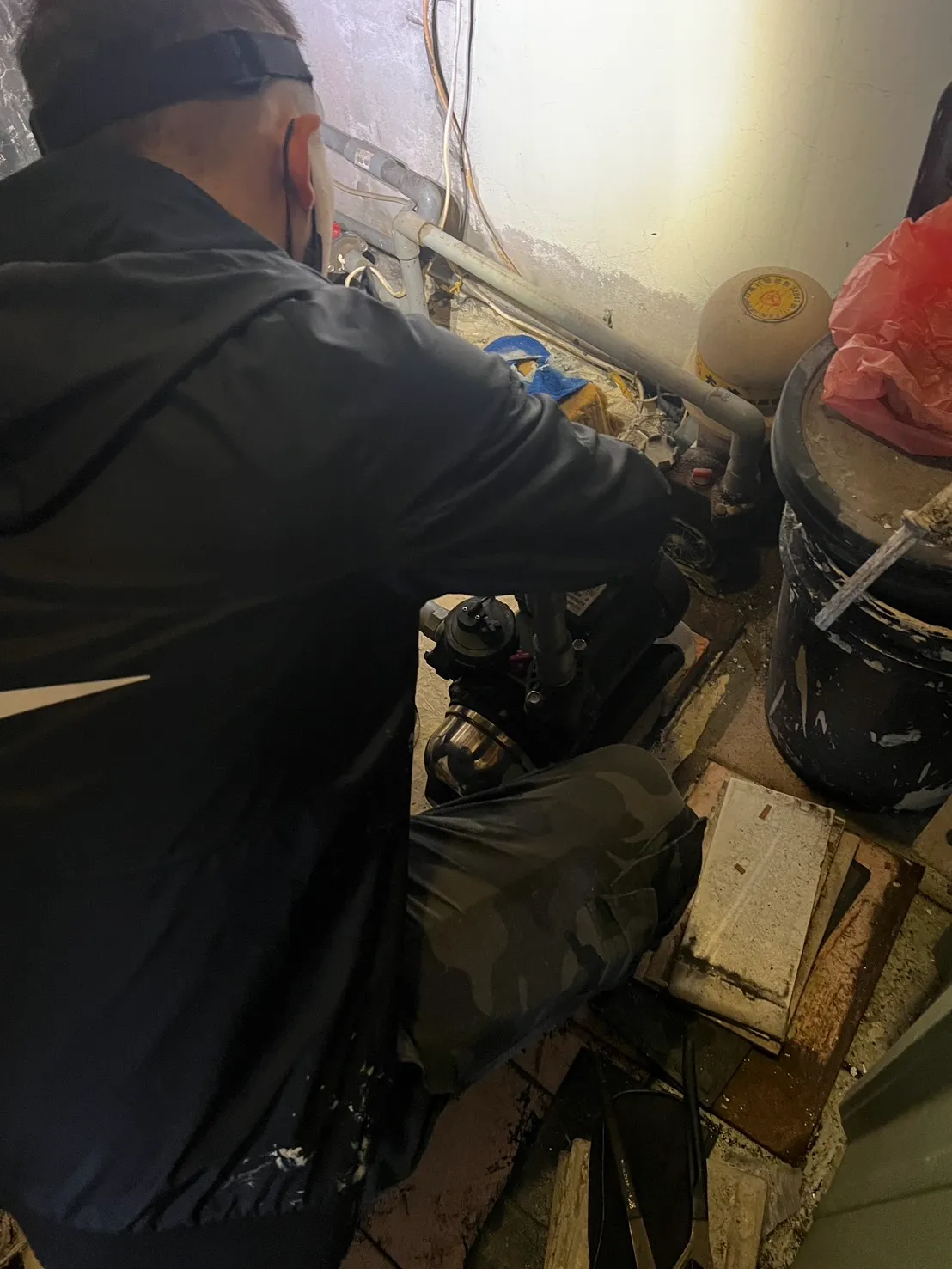
Altar electricity is distinctive because devices stay on around the clock, right next to open flame and paper. Place outlets below the tabletop or toward the side and back, away from directly behind the incense burner, with at least two outlets and a switch that can turn them off independently. Switch the deity lamps to LED, and keep cords from being pinned under the altar legs or buried in incense ash. This article covers only electricity and fire safety, not the placement direction or height of the altar, which should follow your family's customs.
Looking for the Chinese version of this article?切換至繁體中文版 →
Altar Outlet Planning: Lamps, Electric Burners, Fire Safety
This article is compiled from publicly available online sources for general reference only; readers should independently verify and judge its accuracy, and it is not legal, tax, medical or engineering advice. Rules, fees and subsidies change; check the latest notice from the responsible authority before acting. For electrical, gas, structural or health risks, consult a qualified professional.
This is the English edition of a Chinese article, adapted with AI assistance and checked against the original. Where the two differ, the Chinese version and the official sources it cites prevail.
What electrical loads an altar has
The electrical load on an altar is usually small, but the running time is long, so the concern is not the wattage but the heat and cord aging caused by continuous power. The table below summarizes common devices. Please use the wattage printed on your own device or its power adapter. The monthly consumption in the table is a simple calculation of rated wattage × 24 hours × 30 days.
| Device | Rated wattage (example) | Monthly consumption (running continuously) | Notes |
|---|---|---|---|
| Traditional bulb-type deity lamp | Per the bulb label, for example 10W | 10W is about 7.2 kWh | Incandescent bulbs give off noticeable heat |
| LED deity lamp or ancestor lamp | Per the label, for example 3W | 3W is about 2.2 kWh | Low heat; confirm the driver is compatible |
| Electric incense burner or electric candle | Per the adapter label, for example 5W | 5W is about 3.6 kWh | Some run on batteries and do not use an outlet |
| Buddhist chanting machine | Per the unit label, for example 5W | 5W is about 3.6 kWh | Mostly powered through an adapter |
The conversion is simple: every 1W running continuously for a month is about 0.72 kWh. For the actual electricity bill, you can enter your own wattage and electricity rate into the site's appliance electricity cost calculator.
Deity lamps and ancestor lamps
Deity lamps and ancestor lamps are mostly lit all day, making them the longest-running load on the altar. Traditional bulbs keep giving off heat, and if there is paper or cloth near the lamp socket, long-term heating makes the material brittle. After switching to LED, the heat output drops noticeably, and you also do not need to replace bulbs as often.
Electric incense burners, electric candles and chanting machines
These devices are mostly powered through an adapter. The adapter itself also gets warm, so do not cover it with joss paper, a table cloth or offerings. If a device uses batteries, also check regularly for leakage or swelling.
Cleaning and temporary holiday power
For routine cleaning you may plug in a vacuum cleaner, and during festivals you may add string lights or a fan. These are temporary loads. Plug them into a different outlet rather than crowding everything onto the same extension cord that powers the deity lamps.
Outlet placement and quantity
When renovating or rebuilding the altar room, decide the outlet positions before the wall and cabinet work begins. Adding them afterward easily turns into exposed wiring and extension cords. When planning, you can check the list below item by item.
- At least two outlets: one for the long-running loads and one for cleaning and temporary holiday power.
- Place them below the tabletop or toward the side and back, not directly behind the incense burner or candle holder.
- The outlets and plugs are not directly covered by incense ash, candle wax or offerings.
- The outlet box is firmly fixed, the cover plate is intact, and there are no exposed wire ends.
- The power can be switched off by hand near the outlets, without moving the altar.
- The cord path does not run under the altar legs and is not pinned by them.
Height and left-right position considerations
From an electrical standpoint, outlets should sit some distance above the floor to avoid splashing water and the moisture from mopping during cleaning. For left-right position, favor one side so the plugs are not directly below where incense ash and paper ash fall most easily. The height and orientation of the altar itself fall under folk custom, so please follow your family's customs; this article gives no advice on them.
Hiding the outlet box behind the altar back panel
If you want a tidy appearance, you can reserve an outlet box behind the altar back panel or cabinet and prepare an access opening in advance. The outlet box must be fixed to the wall or the cabinet frame. For dealing with loose screw holes, see repairing electrical box screw holes and installing a fixing brace. A fully sealed design that cannot be accessed is not recommended, because an overheating plug is hard to notice.
Whether you need a separate switch or circuit
We recommend adding a switch next to the altar outlets that can be turned off independently, so you can shut off just this area when going out or during repairs. Whether a separate circuit is needed depends on what else is on the same circuit; for the concept of branch circuits, see the kitchen dedicated circuit wiring guide. If the altar shares a circuit with an air conditioner or electric heater, we recommend having a qualified electrician assess it.
Safety with long-running power
Bulb heat and switching to LED
When switching to LED, first confirm that the socket specification and voltage match, then check the operating conditions printed on the fixture. Replacing the whole unit with an LED deity lamp is usually more stable than swapping only the bulb. For the cost and dimming concepts of switching the whole house to LED, see whole-house LED lighting upgrades and smart dimming.
Extension cord load and aging
An extension cord should carry the inspection mark of the Bureau of Standards, Metrology and Inspection of the Ministry of Economic Affairs (經濟部標準檢驗局), and you should confirm its rated current and number of sockets. The altar load is small, but an extension cord that is powered for long periods, pinned down, bent or near open flame ages faster than in ordinary households. For how to calculate the total load, see extension cord and outlet overload wattage explained.
Dust and incense ash on plugs: a cause of electrical fires
Incense ash, paper ash and dust that fall into the gaps of plugs and outlets can form a conductive path when damp, and can also cause poor contact that makes the contacts overheat. Each time you clean the altar, check the plug for discoloration, deformation or a burnt smell. If any of these is present, unplug it first and stop using it.
Fire prevention where open flame and electricity coexist
Incense, candles, joss paper and cord distance
Incense, candles and joss paper are open flame and combustible material, so cords and extension cords should not sit directly below them or within their drop zone. There is no uniform rule on the exact distance. The principle is that nothing falling should touch a cord, and combustibles should be gathered in a spot away from the outlets.
Smoke alarms and fire extinguishers
We recommend installing a residential fire alarm near the altar room or living room and keeping a household fire extinguisher on hand, and making sure everyone in the family knows where it is. The National Fire Agency of the Ministry of the Interior (內政部消防署) runs fire prevention campaigns on electrical fires and fires related to deity lamps and incense and candles; for cases and statistics, please rely on the original text published by the National Fire Agency.
Tidying the wiring of an already finished altar
Cord channels and cable clips
If an older altar already uses an extension cord, first straighten and shorten the cord, then run it along the wall with a cord channel or cable clips, so cords do not lie loose on the floor to be stepped on. Place the channel where incense ash will not fall directly on it, do not bundle the cords into a tangle, and do not pin them under the altar legs.
When to call an electrician to add outlets
Adding outlets involves in-wall wiring, circuit capacity and protective devices, and is work for a qualified electrician. The table below sorts out what homeowners can do themselves and what needs a qualified electrician.
| Item | Homeowner can do | Needs a qualified electrician |
|---|---|---|
| Check plugs for discoloration or dust | Yes | Call an electrician if anything is abnormal |
| Replace an LED bulb or the whole deity lamp | Yes; unplug first | When the socket wiring must be changed |
| Tidy extension cords and add cord channels | Yes | When new wiring is needed inside the channel |
| Add wall outlets or an outlet box | No | Yes |
| Add a separate switch or circuit | No | Yes |
| Judge whether wire size and breaker are sufficient | You can first estimate with the wire size and breaker calculator | The electrician confirms the actual wiring |
Frequently asked questions
Can the deity lamp stay on 24 hours a day?
From an electrical standpoint, keeping the lamp on for 24 hours is common practice, and the risk comes from lamp heat and cord aging rather than the consumption itself. We recommend using LED and regularly checking the plug and lamp socket. Whether to leave the lamp on overnight is a matter of custom, so please follow your family's customs.
Can the altar lights be plugged into an extension cord?
Yes, but choose an extension cord with an inspection mark and sufficient ratings, avoid chaining several together, and do not pin it under the altar legs or leave it where incense ash falls. For devices used long term, we recommend switching to a fixed outlet.
Will an LED deity lamp flicker or fail to light?
It might. If the original fixture contains a dimmer or an old-style starter, an LED may flicker or not light, so first confirm that the fixture is marked as usable with LED, and replace the whole unit if necessary. If problems remain after replacing it, ask an electrician to check the socket and wiring.
Should the altar power be turned off when traveling?
For a short trip, at least first clear the incense ash and paper from around the plug, and confirm that no incense or candle is still burning. For a long absence, you can switch the devices off with the independent switch; whether to keep the lamp lit follows your family's customs.
Sources
- National Fire Agency, Ministry of the Interior (內政部消防署): electrical fire and home fire prevention campaigns (verified 2026-11-11): fire cases and prevention advice related to deity lamps, incense and candles
- Laws and Regulations Database of the Republic of China: Regulations for Installation of Customer's Electrical Equipment (用戶用電設備裝置規則) (verified 2026-11-11): principles for outlet branch circuits and wiring protection
- Bureau of Standards, Metrology and Inspection, Ministry of Economic Affairs (經濟部標準檢驗局): inspection marks for power cord sets and light fixtures (verified 2026-11-11): safety marks for extension cords and light fixtures
- Taiwan Power Company (台灣電力公司): residential electricity rate table (verified 2026-11-11): electricity rate reference for consumption and bill estimates