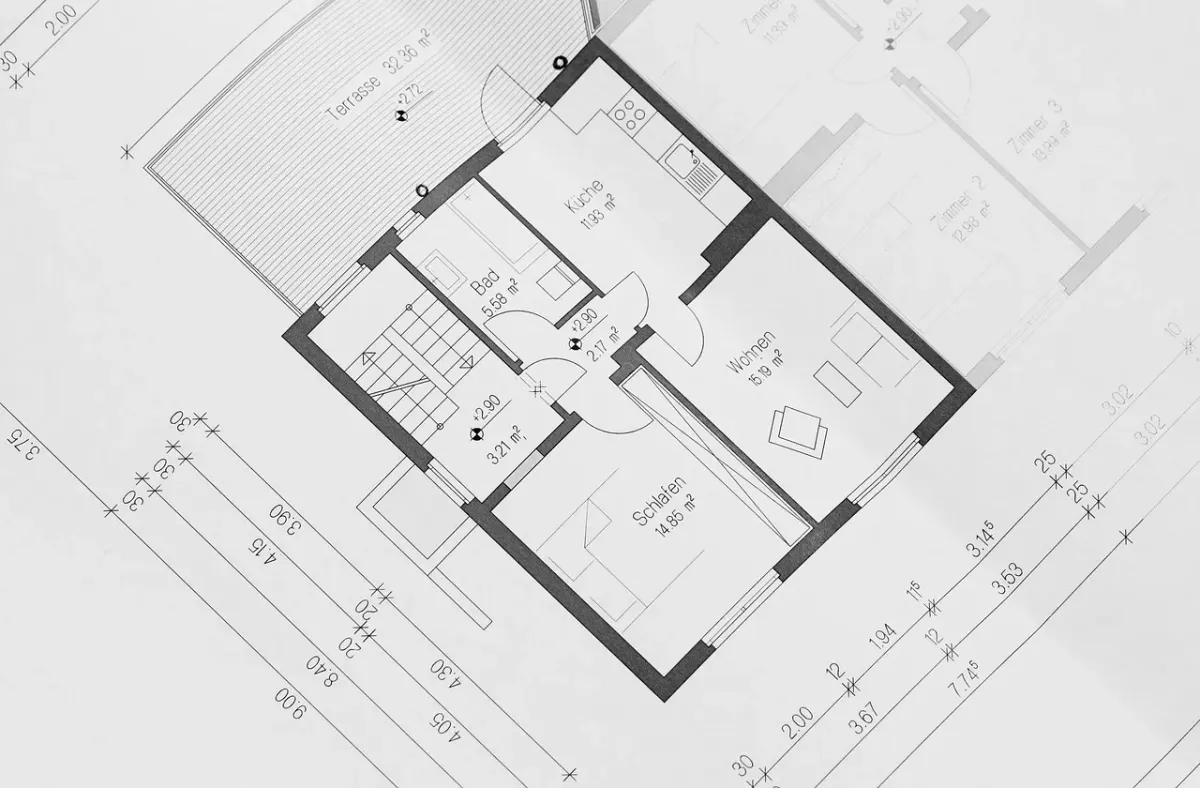
Drawing inspiration from mature Nordic circular economy principles, renovating older homes across Taipei and New Taipei through selective deconstruction, salvaging legacy building assets, and on-site restoration cuts conventional construction demolition waste from 10 to 20 metric tons by 50% to 80%. In standard Taiwanese remodeling practice, turnkey contractors routinely demolish interior partitions down to bare concrete masonry. This practice demolishes precious native Formosan cypress (紅檜), artisan poured-in-place terrazzo flooring, and vintage patterned ceramic tiles while incurring crushing haul-away expenses reaching NT$12,000 to NT$18,000 per truckload. Integrating circularity into residential architecture aligns with global ESG decarbonization while intelligently conserving remodeling capital.
Circular Economy Home Renovation: Material Reuse in Taipei
This article is compiled from publicly available online sources for general reference only; readers should independently verify and judge its accuracy, and it is not legal, tax, medical or engineering advice. Rules, fees and subsidies change; check the latest notice from the responsible authority before acting. For electrical, gas, structural or health risks, consult a qualified professional.
This is the English edition of a Chinese article, adapted with AI assistance and checked against the original. Where the two differ, the Chinese version and the official sources it cites prevail.
Circular Renovation Principles: Cradle-to-Cradle Waste Reduction Philosophy
The philosophical foundation of circular economy stems from the Cradle to Cradle paradigm, positing that material resources must flow continuously within closed loops, upending the extractive linear cycle of take, make, use, and dispose. In the domestic built environment, circular interior remodeling rests upon 3 fundamental pillars: source Reduction (Reduce), component Reutilization (Reuse), and cyclical Material Recycling (Recycle).
During initial spatial programming, architects collaborate with homeowners to conduct a comprehensive Material Lifecycle Audit. This process differentiates aging MEP conduit risers requiring compulsory renewal from structural assets possessing enduring durability and cultural heritage. Rather than indiscriminately bulldozing all interior partitions, circular renovation adopts selective deconstruction, classifying and preserving vintage timber, brass hardware, and stone masonry. Before signing demolition agreements, homeowners should evaluate existing structural safety using our old house checkup evaluation tool.
| Analytical Dimension | Conventional Demolition Paradigm | Nordic Circular Renovation Methodology | Environmental & Economic Dividends |
|---|---|---|---|
| Deconstruction Philosophy | Total destruction down to bare concrete; materials dumped as mixed debris | Selective deconstruction preserving antique timber, decorative ironwork, and tiles | Achieves 50% to 80% waste reduction while safeguarding irreplaceable assets |
| Haul-Away Disposal Costs | Demands 6 to 10 disposal truckloads, driving debris removal fees past NT$100,000 | Transports strictly unrecoverable rubble, slashing haul-away loads to 2 or 3 trucks | Directly saves NT$60,000 to NT$90,000 in commercial dump truck disposal fees |
| Virgin Material Expenditure | Purchases brand-new laminated plywood and ceramic tiles carrying heavy carbon footprints | Polishes existing terrazzo floors and restores solid cypress wood door assemblies | Conserves NT$150,000 to NT$250,000 in tile installation and door procurement costs |
| Spatial Character & Soul | Generic copy-paste showroom styling devoid of historic warmth and narrative | Weaves vintage wrought iron grilles, kiln-fired red brick, and aged Hinoki timber | Creates sustainable homes blending Nordic minimalism with Taiwanese craft history |
Five High-Value Building Materials Worth Salvaging in Older Apartments
Within older residential walk-ups spanning 30 to 50 years of age across Taipei, the material quality of vintage components frequently surpasses cheap contemporary mass-manufactured substitutes. The following 5 categories represent prime candidates for preservation and refurbishment:
- Asset 1: Native Taiwan Hinoki (紅檜) and solid hardwood joinery. Mid-century Taiwanese residences made extensive use of native Formosan cypress and aged teak for interior doors, window frames, and casing. Naturally seasoned across decades, this dense timber resists termite infestation and emits a gentle natural aroma. Skilled joiners plane old varnish, sand the wood, and apply natural beeswax or tung oil, reviving rich timber doors that complement Nordic minimalist interiors.
- Asset 2: Traditional poured-in-place terrazzo and washed stone flooring. Terrazzo (磨石子) represents a crowning craft of Taiwanese architectural history, composed of inlaid brass rules and white Portland cement poured with natural marble chips. Possessing extreme surface hardness that stays cool in summer, demolishing terrazzo damages underlying waterproofing. Specialized chemical crystallization grinding removes stains and seals micro-pores, restoring mirror-gloss luxury at one-third the cost of laying new tiles.
- Asset 3: Kiln-fired red bricks and vintage textured glass. Early solid red clay bricks possess high density and warm earthy patinas. Carefully chipping away mortar during partition removal enables rebuilding rustic kitchen island counters or foyer privacy screens. Similarly, classic vintage begonia and cross-reed pressed obscure glass panels, when cleaned and fitted into modern black iron sliding sashes, provide diffuse daylight while safeguarding privacy.
- Asset 4: Solid cast brass door handles and mechanical mortise locks. Heavy cast-brass hardware endures for generations. While tarnished by black oxidation or green verdigris over time, polishing with rotary buffers reveals brilliant golden luster, offering smooth mechanical latching far superior to modern hollow zinc die-cast handles.
- Asset 5: Handcrafted ornamental window grilles (鐵窗花). Handmade 1970s ironwork featuring bent floral, geometric, and landscape motifs represents authentic folk craft. Sandblasting surface rust and powder-coating produces custom entrance privacy screens, vertical balcony plant trellises, or framed wall art. For coordination tips, review our comprehensive renovation planning guide.
Collaborating with Designers and Contractors on Selective Demolition Workflows
To successfully execute circular renovation, homeowners must align expectations with construction teams prior to awarding bids. Demolition crews instinctively rely on sledgehammers and heavy breakers. Without explicit contractual stipulations, valuable components risk destruction on day one. Implement these critical management safeguards:
First, explicitly designate selective deconstruction scopes versus standard demolition in architectural blueprints and bid specifications. Detail specific line items such as: "Remove master bedroom Hinoki door assemblies and hardware by hand, wrap in protective bubble foam, and transport to joinery workshop"; or "Protect entry foyer terrazzo flooring with heavy waterproofing tarps and 9mm plywood sheets; zero heavy impact permitted". Second, insert clear contractor liability penalty clauses holding teams financially responsible for repairing designated historic items damaged by negligence. When screening prospective builders, consult our guide on how to choose the right renovation contractor, selecting teams experienced in historical preservation.
Secondhand Material Exchanges and Legal Construction Waste Disposal in Taipei
When salvaging high-quality structural elements beyond what a remodeled floorplan can reabsorb, materials should never be discarded as trash. Vibrant antique salvage collectives, vintage architectural hardware exchanges, and upcycling studios across Taipei actively purchase or salvage clean heritage bricks, encaustic tiles, and hardwood doors, extending their lifespan across community projects. For municipal recycling guidelines, explore our Taipei waste disposal guide.
For genuinely unrecoverable masonry rubble, aged PVC piping, and broken wall plaster, homeowners must verify legal disposal under the Waste Disposal Act (廢棄物清理法). Mixed construction debris cannot be surrendered to municipal trash trucks. Regulations mandate hiring licensed Class B or Class C waste transport haulers to transfer debris to registered recycling facilities or legal land-reclamation depositories. Homeowners must require contractors to provide official disposal manifests, protecting themselves against joint criminal liabilities resulting from illegal dumping across mountain watersheds.
Frequently Asked Questions
Is restoring legacy architectural elements genuinely cheaper than buying brand-new materials?
Cost viability depends on material typology and required labor intensity. For terrazzo floor crystallization grinding, costs are over 50% cheaper than demolishing and laying porcelain tiles. Stripping and refinishing solid hardwood doors is far more economical than purchasing equivalent solid timber slabs. While intricately reshaping deformed iron grilles may approach the cost of cheap factory aluminum, the resulting craftsmanship, character, and zero-carbon value cannot be bought off the shelf.
How should salvaged vintage red bricks and terrazzo paving tiles be cleaned and prepped?
After salvaging solid clay bricks, use wire brushes or masonry chisels to tap away old lime and cement mortar, followed by power rinsing and air drying before re-laying with fresh mortar. For salvaged terrazzo tiles, soak units in clean water to loosen setting mortar before laying garden pathway pavers. In-situ poured terrazzo simply requires diamond-pad dustless grinding and nano-crystallization hardening to revive surface radiance.
Can residential remodeling timber and concrete rubble be collected by municipal garbage trucks?
No. Municipal sanitation departments handle only minor domestic household items under strict volume caps using official trash bags. Bulk concrete rubble, broken ceramic tiles, and carpentry studs are legally classified as mixed construction debris. Property owners must hire licensed commercial waste haulers to transport debris under verified manifests; illegal roadside abandonment carries fines of up to NT$300,000.