Carpentry work is an important part of home decoration. It can create customized furniture, cabinets or decorations to enhance the texture of the space. Whether you're building a bookshelf or refinishing a wooden floor, professional carpentry skills are crucial. This article will introduce the steps of woodworking projects, wood selection and maintenance methods to help you create durable and beautiful wood products.
Why do you need carpentry engineering?
- Customized design: Carpenters can create unique furniture based on the needs of the space.
- Increased durability: High-quality wood and craftsmanship extend service life.
- Restoring Old Furniture: Carpentry skills can make old furniture look like new and save costs.
Woodworking Engineering Steps
- Design and Planning
Design furniture or decoration drawings according to needs, and measure space dimensions to ensure accuracy. Consider wood type, style and functionality. - Choose wood
Common woods include pine (affordable price), oak (strong and durable) and cherry wood (high quality). Choose according to budget and purpose, paying attention to the texture and hardness of the wood. - Prepare tools
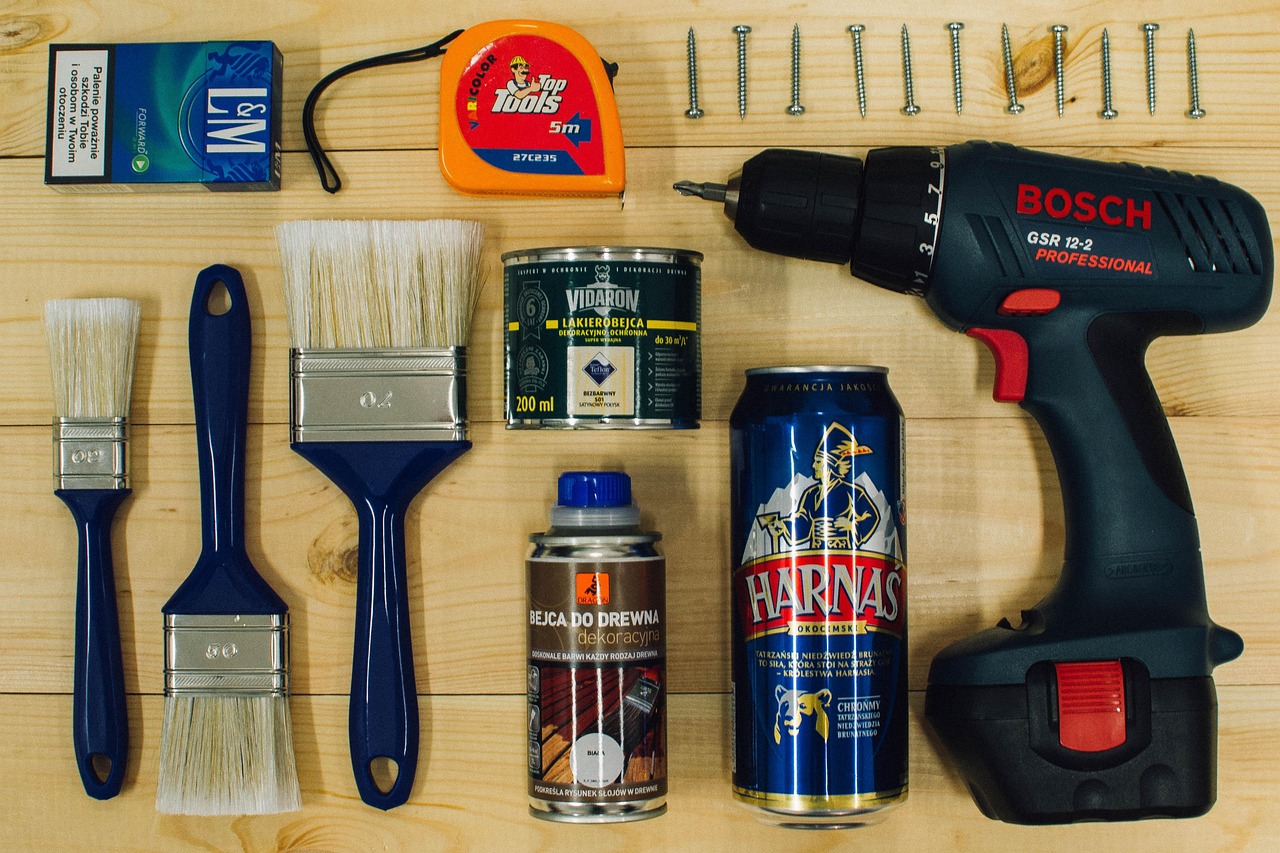
Prepare saws, electric drills, sandpaper, wood glue and screws. Make sure your tools are sharp to reduce wood damage. - Cutting and Assembly
Cut the wood according to the drawings, and use carpenter's glue and screws to fix the parts. Make sure the joint is flat and has no gaps. - Sanding and Painting
Sand the surface with sandpaper to make sure it is smooth. Apply primer and topcoat for added protection and beauty. - Inspection and Installation
Check whether the finished product is stable and install it to the designated location. Test the drawer or door for smoothness and adjust if necessary.
Wood selection suggestions
- Pine: Suitable for beginners, low price, easy to process.
- Oak: Durable and suitable for cabinets or floors.
- MDF board: Flat, suitable for painting, but not resistant to moisture.
Maintenance and Precautions
- Moisture-proof treatment: Wood needs to be painted with moisture-proof paint to avoid deformation.
- Regular Cleaning: Wipe with a dry cloth to prevent dust accumulation.
- Avoid direct sunlight: Prolonged exposure may cause wood to fade or crack.
When to seek professional assistance?
If it involves complex structures or large-scale decoration, it is recommended to contact a professional carpenter. They can ensure construction quality and safety.
Conclusion
Carpentry projects can add unique charm to your home. With the right design and fabrication, you can create durable and beautiful wood products. Start your woodworking project now and build your dream home!
🇹🇼 Expat Living Note: Home Repairs in Taiwan
If you are an international resident renting an apartment in Taipei, New Taipei, or anywhere in Taiwan:
- Voltage & Electrical Safety: Taiwan standard household voltage is 110V (60Hz). Do not plug 220V imported European/UK appliances directly without a certified step-up transformer.
- Plumbing Terminology: Local plumbers are called 水電 (Shuǐdiàn) and handle both water and electrical repairs.
- Landlord Obligations: Under Article 429 of Taiwan Civil Code, landlords are legally responsible for repairing natural wear and tear (such as hidden wall pipe leaks, water heater faults, or booster pump failures) unless explicitly waived in your lease.
Legal Disclaimer
The information provided on this website is for general educational and reference purposes only. For hazardous repairs involving live 220V electrical circuits, main gas lines, or structural wall drilling, always consult certified, licensed technicians. SOSfix disclaims any liability for personal injury or property damage resulting from DIY repair attempts.