Many households scrub bathroom floor tiles spotless every day and spray fragrant air fresheners, yet stepping inside reveals foul, pungent sewer biogas and stale drain odors! Especially during windy days or when downstairs neighbors flush, sewer gas surges upward through floor drain grates like a geyser. This indicates that your building's plumbing water trap barrier has failed. This guide details 4 systematic inspection steps.
Looking for the Chinese version of this article?切換至繁體中文版 →
Bathroom Sewer Odor: Dried Trap & Vent Pipe Leak Guide
This article is compiled from publicly available online sources for general reference only; readers should independently verify and judge its accuracy, and it is not legal, tax, medical or engineering advice. Rules, fees and subsidies change; check the latest notice from the responsible authority before acting. For electrical, gas, structural or health risks, consult a qualified professional.
This is the English edition of a Chinese article, adapted with AI assistance and checked against the original. Where the two differ, the Chinese version and the official sources it cites prevail.
Diagnosing 3 Common Odor Sources: Floor Drains, Toilet Bases, and Sinks
Bathroom odors never materialize out of nowhere; systematically evaluate 3 critical wastewater nodes: first, floor drain grates: when water trap barriers dry up, hydrogen sulfide sewer gas surges up soil stacks directly into living areas; second, toilet base gaskets: degraded wax sealing rings allow sewer gases to escape around porcelain bases; third, bathroom vanity sinks: straight flexible corrugated pipes installed without S-traps or rubber wall grommets leak foul drain air indoors.
The Principle of Traps: Why Do Plumbing Water Seals Dry Out?
Plumbing traps serve as essential physical sanitary barriers in modern residential buildings. U-bend pipe traps retain water columns 50 to 100 millimeters high (water seals) to physically block sewer gas, pests, and airborne bacteria using gravitational hydrostatic pressure. However, water seals fail under 3 conditions: natural evaporative drying; severe negative pressure suction where heavy downstream draining siphons water away; or blocked rooftop vent stacks forcing sewer positive pressure to blow through trap water.
Simple 4-Step Homeowner Inspection and Water Priming Test
Execute this straightforward 5-minute diagnostic protocol:
Step 1: Water Priming Across Guest Drains and Dry Shower Zones
Pour 1000 milliliters of fresh water slowly into rarely used guest bathroom drains or dry zones outside shower enclosures, refilling depleted trap seals; if sewer odors dissipate within 10 minutes, the problem was simple water seal evaporation, requiring bi-weekly water replenishment.
Step 2: Checking Floor Drain Anti-Odor Check Valves
If odors linger after pouring water, unscrew drain grates: inspect whether floor drains incorporate spring-loaded mechanical flaps or magnetic anti-odor silicone check valve cores; vintage buildings lacking integrated P-traps must retrofit drop-in magnetic check valves to block reverse air drafts.
Step 3: Dual Sealing Vanity Basin Waste Pipes
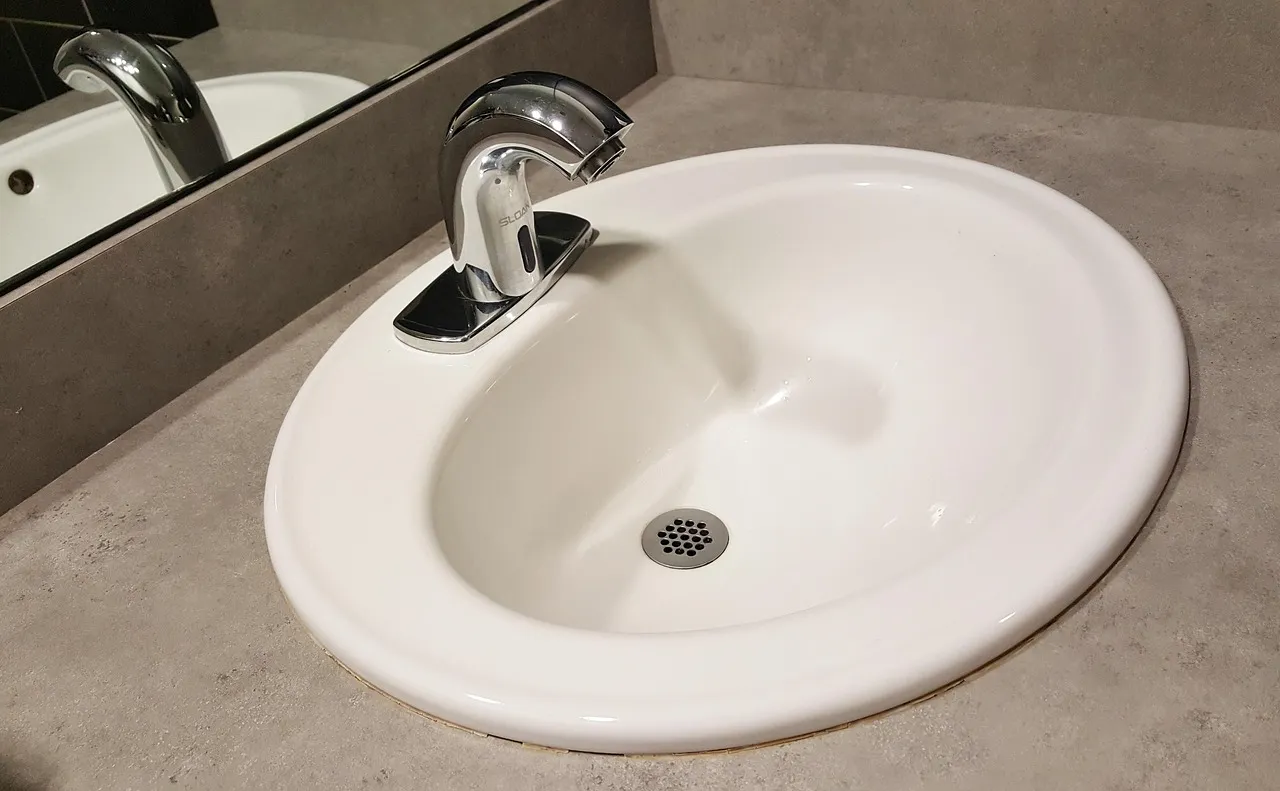
Inspect flexible drain pipes underneath vanity basins: verify corrugated hoses form deliberate S-bend water traps, ensuring connections where hoses insert into wall plumbing are sealed with tight rubber grommets without open air gaps. Review rates on our pricing framework.
Why Persistent Odors Require Professional Pipe Inspection Equipment
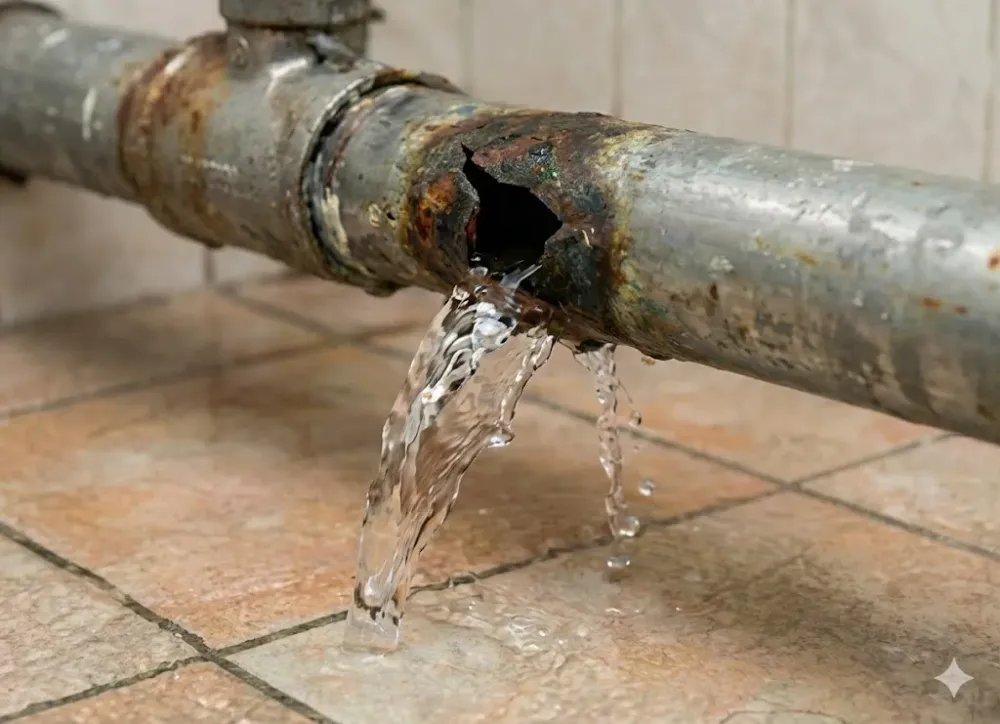
When floor drain water traps remain filled and sink pipes are sealed, yet foul odors linger around ceiling access hatches or wall cavities, hidden soil stack vent pipes have fractured or toilet waste fittings have separated inside chase walls. Pinpointing hidden pipe cracks requires licensed plumbing teams utilizing push-rod CCTV inspection cameras or injecting non-toxic pressurized tracer smoke into soil stacks to reveal leaks cleanly. Explore more in our plumbing repair category.
Frequently Asked Questions
Does pouring large amounts of bleach or hydrochloric acid down drains eliminate odors?
Never recommend this! Concentrated bleach and corrosive acid solutions attack vintage cast iron traps and PVC solvent welds, causing pipe leaks; chemical vapors irritate human lungs. Eliminating odors requires maintaining water trap seals and physical gasket barriers, not chemical dumping.
Why do vanity sinks gurgle and burp sewer gas whenever the toilet is flushed?
This represents a textbook symptom of blocked main plumbing vent stacks! Heavy toilet flush volumes generate vacuum pressure inside drainage stacks; if rooftop vent terminals are obstructed by bird nests or leaves, negative suction pulls air through neighboring sink traps, siphoning water seals away instantly.
Persistent sewer odors lingering? Call SOSFix for pipe diagnostic testing!
Breathing hydrogen sulfide sewer gases long-term degrades family health. Book an SOSFix technician to check the traps and drain lines on site and find the source of the odor. For urgent emergencies, contact our 24-hour emergency repair service.
| Bathroom Odor Origin Node | Water Seal Failure & Leak Mechanism | Homeowner Diagnostic Procedure | Definitive Repair & Verification |
|---|---|---|---|
| Floor Drain Grate Holes | Water evaporation or negative stack suction | Pour 1000ml water or fit magnetic valve | Trap seal maintained at 50mm, zero gas surge |
| Toilet Porcelain Base Seams | Wax ring gasket dried, cracked, or shifted | Apply soapy water around seams to check gas | Reset toilet with heavy-duty wax ring and silicone |
| Vanity Sink Drain Hoses | Straight hose without trap or wall grommet | Bend hose into S-trap, install rubber plug | Dual physical water seal and airtight gasket |
| Plumbing Chase Vent Stacks | Cracked vent pipe or blocked rooftop cowl | Inject low-pressure tracer smoke to find leaks | Repair fractured chase pipes, clear vent roof cowls |
Related reading: Bathroom Odor Removal and Pipe Shaft Sealing in Taipei · Sink Drain P-Trap and S-Trap: Leak and Odor Prevention